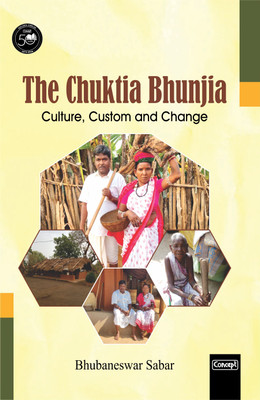
The Chuktia Bhunjia: Culture, Custom and Change(Hardcover, Bhubaneswar Sabar)
- Bhubaneswar Sabar
Paperback & Hardcover deals ―
Amazon IndiaGOFlipkart ₹ 2500SnapdealGOSapnaOnlineGOJain Book AgencyGOBooks WagonGOBook ChorGOCrosswordGODC BooksGOe-book & Audiobook deals ―
Amazon India GOGoogle Play Books GOAudible GO* Price may vary from time to time.
* GO = We're not able to fetch the price (please check manually visiting the website).
Know about the book -
The Chuktia Bhunjia: Culture, Custom and Change(Hardcover, Bhubaneswar Sabar) is written by Bhubaneswar Sabar and published by Concept Publishing Company Pvt. Ltd.. It's available with International Standard Book Number or ISBN identification 9363444228 (ISBN 10) and 9789363444225 (ISBN 13).
The nature of anthropological studies on tribals in India has been changed along with the shift in anthropological theories and changing nature of the society. The need for development of tribal communities and policy framework together have also changed the orientation of tribal studies in India. Although tribal studies remain a focus of many anthropologists in India, writing pure ethnography is out of fashion. It has affected further progress in anthropological knowledge on tribe. This book, developed with a primordial ideology, chronicles the culture, tradition, economy, politics, etc. of an anthropologically undescribed tribe of Odisha, India named Chuktia Bhunjia. It is first ever comprehensive ethnography on Chuktia Bhunjia that depicts three aspects of this tribe-cultural life, transition, and development and produces a different anthropological knowledge we have learnt so far about the tribal life. Critically entering into the discourse on ‘mainstream’ of tribals in India, this book deconstructs the idea of ‘mainstream’ espoused by both anthropologists and policy makers for the development of tribals from time to time; and urges to adopt the primordial approach to preserve the tribal culture and the policy of ‘automated’ integration to bring them to modern nation-state together. This book will be useful for academicians, researchers and policy makers working on tribal development.
