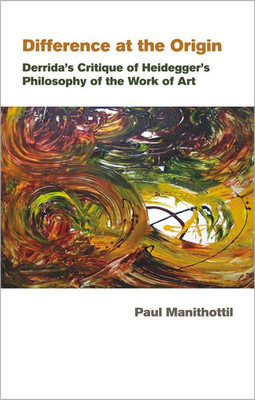
Difference at the Origin Derrida s Critique of Heidegger s Philosophy of the Work of Art(English, Hardcover, Manithottil Paul)
- Manithottil Paul
Paperback & Hardcover deals ―
Amazon IndiaGOFlipkart ₹ 422SnapdealGOSapnaOnlineGOJain Book AgencyGOBooks WagonGOBook ChorGOCrosswordGODC BooksGOe-book & Audiobook deals ―
Amazon India GOGoogle Play Books GOAudible GO* Price may vary from time to time.
* GO = We're not able to fetch the price (please check manually visiting the website).
Know about the book -
Difference at the Origin Derrida s Critique of Heidegger s Philosophy of the Work of Art(English, Hardcover, Manithottil Paul) is written by Manithottil Paul and published by Atlantic Publishers & Distributors Pvt Ltd. It's available with International Standard Book Number or ISBN identification 8126909196 (ISBN 10) and 9788126909193 (ISBN 13).
Heidegger’s way of thinking has left a rich legacy for post-modern philosophers, particularly for Jacques Derrida who has greatly influenced philosophy and literature in the modern times. Derrida, like his mentor Heidegger, understands that in the Western philosophy, the meaning of Being has been determined by metaphysics of presence. However, unlike Heidegger, Derrida does not begin his philosophical career with a question on Being. Nor does he take up philosophical positions—traditional or otherwise. The purpose of the present study is the critical evaluation of Derrida’s claim that he deconstructed one of Heidegger’s most important essays—“The Origin of the Work of Art”—by which he tries to overcome the metaphysics of presence. The book presents an in-depth analysis of Heidegger’s question of the meaning of Being, and Derrida’s critique of Western logocentrism and his philosophy of deconstruction. It delves into the origin of the truth of the work of art—studying the essence of thing, equipment and work of art, as philosophised by Heidegger. It discusses truth as the strife, taking originary strife as the essence of the meaning of Being. It also includes Derrida’s criticism of the restitution of the truth of the work of art, and an evaluation of the differential structure of the truth of the painting—as a work of art. A comparative study of the philosophies of Heidegger and Derrida has been given under ‘non-originary origin of truth’ and ‘difference as the origin’. References have been given at the end of each chapter to facilitate easy understanding of the concepts discussed in the text. Besides, there is a comprehensive Bibliography giving primary as well as secondary sources from which the book has drawn. The book shall be highly useful to the students and teachers of Philosophy, Theology, Metaphysics and the researchers in these fields.
