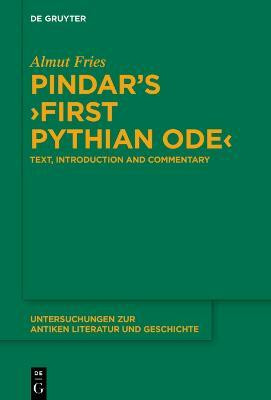
Pindar's >First Pythian Ode<(English, Electronic book text, Fries Almut)
- Fries Almut
Paperback & Hardcover deals ―
Amazon IndiaGOFlipkart ₹ 2547SnapdealGOSapnaOnlineGOJain Book AgencyGOBooks WagonGOBook ChorGOCrosswordGODC BooksGOe-book & Audiobook deals ―
Amazon India GOGoogle Play Books ₹123.99Audible GO* Price may vary from time to time.
* GO = We're not able to fetch the price (please check manually visiting the website).
Know about the book -
Pindar's >First Pythian Ode<(English, Electronic book text, Fries Almut) is written by Fries Almut and published by De Gruyter. It's available with International Standard Book Number or ISBN identification 3111128369 (ISBN 10) and 9783111128368 (ISBN 13).
This is the first large-scale edition with introduction and commentary of Pindar's First Pythian Ode. Composed for Hieron of Syracuse to mark his Delphic chariot victory of 470 BC and his recent foundation of the city of Aetna, the poem is not only a literary masterpiece, but also of central importance for our understanding of Greek history and culture in the early fifth century BC. As our only contemporary written source for the Sicilian Wars against the Carthaginians and Etruscans, it stands on a level with Simonides' Plataea Elegy and Aeschylus' Persians on the Persian Wars. This is a period where epoch-making Greek victories in the east and west were celebrated by the greatest poets in a way that reveals much about the atmosphere in which their works were created and received. The book offers a new edition of the text with a detailed introduction and commentary, which discuss textual problems, language, metre and transmission as well as a variety of literary questions, the historical background and the early performance and reception history of the ode. It will be of interest to scholars and students of archaic and classical Greek poetry and of Greek history of the early fifth century BC.
