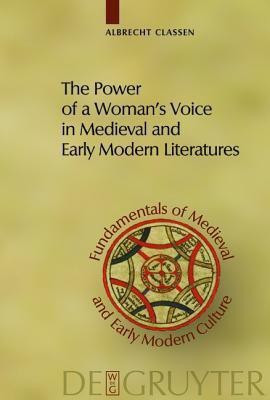
The Power of a Woman's Voice in Medieval and Early Modern Literatures(English, Hardcover, Classen Albrecht)
- Classen Albrecht
Paperback & Hardcover deals ―
Amazon IndiaGOFlipkart ₹ 16869SnapdealGOSapnaOnlineGOJain Book AgencyGOBooks Wagon₹209Book ChorGOCrosswordGODC BooksGOe-book & Audiobook deals ―
Amazon India GOGoogle Play Books GOAudible GO* Price may vary from time to time.
* GO = We're not able to fetch the price (please check manually visiting the website).
Know about the book -
The Power of a Woman's Voice in Medieval and Early Modern Literatures(English, Hardcover, Classen Albrecht) is written by Classen Albrecht and published by De Gruyter. It's available with International Standard Book Number or ISBN identification 3110199416 (ISBN 10) and 9783110199413 (ISBN 13).
The study takes the received view among scholars that women in the Middle Ages were faced with sustained misogyny and that their voices were seldom heard in public and subjects it to a critical analysis. The ten chapters deal with various aspects of the question, and the voices of a variety of authors - both female and male - are heard. The study opens with an enquiry into violence against women, including in texts by male writers (Hartmann von Aue, Gottfried von Strassburg, Wolfram von Eschenbach) which indeed describe instances of violence, but adopt an extremely critical stance towards them. It then proceeds to show how women were able to develop an independent identity in various genres and could present themselves as authorities in the public eye. Mystic texts by Hildegard of Bingen, Marie de France and Margery Kempe, the medieval conduct poem known as Die Winsbeckin, the Devout Books of Sisters composed in convents in South-West Germany, but also quasi-historical documents such as the memoirs of Helene Kottaner or Anna Weckerin's cookery book, demonstrate that far more women were in the public gaze than had hitherto been assumed and that they possessed the self-confidence to establish their positions with their intellectual and their literary achievements.
