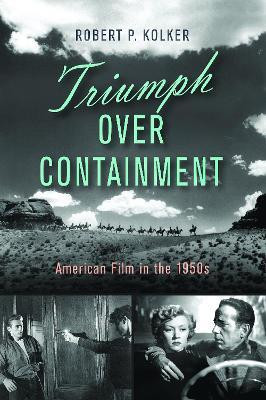
Triumph Over Containment(English, Hardcover, Kolker Robert P.)
- Kolker Robert P.
Paperback & Hardcover deals ―
Amazon IndiaGOFlipkart ₹ 3049SnapdealGOSapnaOnlineGOJain Book AgencyGOBooks Wagon₹1,823Book ChorGOCrosswordGODC BooksGOe-book & Audiobook deals ―
Amazon India GOGoogle Play Books GOAudible GO* Price may vary from time to time.
* GO = We're not able to fetch the price (please check manually visiting the website).
Know about the book -
Triumph Over Containment(English, Hardcover, Kolker Robert P.) is written by Kolker Robert P. and published by Rutgers University Press. It's available with International Standard Book Number or ISBN identification 1978820925 (ISBN 10) and 9781978820920 (ISBN 13).
The long 1950s, which extend back to the early postwar period and forward into the early 1960s, were a period of "containment culture" in America, as the media worked to reinforce traditional family values and suspected communist sympathizers were blacklisted from the entertainment industry. Yet some brave filmmakers and actors still challenged the status quo to produce indelible and imaginative work that delivered uncomfortable truths to Cold War audiences. Triumph Over Containment offers an uncompromising look at some of the era's greatest films and directors, from household names like Alfred Hitchcock and Stanley Kubrick to lesser-known iconoclasts like Samuel Fuller and Ida Lupino. Taking in everything from The Thing from Another World (1951) to Dr. Strangelove or: How I Learned to Stop Worrying and Love the Bomb (1964), acclaimed film scholar Robert P. Kolker scours a variety of different genres to find pockets of resistance to the repressive and oppressive norms of Cold War culture. He devotes special attention to two quintessential 1950s genres-the melodrama and the science fiction film-that might seem like polar opposites, but each offered pointed responses to containment culture. This book takes a fresh look at such directors as Nicholas Ray, John Ford, and Orson Welles, while giving readers a new appreciation for the depth and artistry of 1950s Hollywood films.
