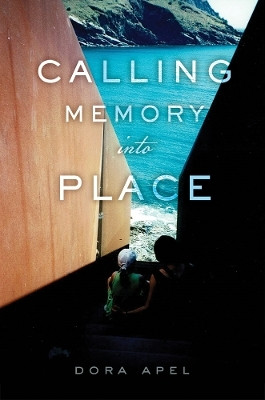
Calling Memory into Place(English, Electronic book text, Apel Dora)
- Apel Dora
Paperback & Hardcover deals ―
Amazon IndiaGOFlipkart ₹ 3243SnapdealGOSapnaOnlineGOJain Book AgencyGOBooks Wagon₹440Book ChorGOCrosswordGODC BooksGOe-book & Audiobook deals ―
Amazon India GOGoogle Play Books GOAudible GO* Price may vary from time to time.
* GO = We're not able to fetch the price (please check manually visiting the website).
Know about the book -
Calling Memory into Place(English, Electronic book text, Apel Dora) is written by Apel Dora and published by Rutgers University Press. It's available with International Standard Book Number or ISBN identification 1978807872 (ISBN 10) and 9781978807877 (ISBN 13).
How can memory be mobilized for social justice? How can images and monuments counter public forgetting? And how can inherited family and cultural traumas be channeled in productive ways? In this deeply personal work, acclaimed art historian Dora Apel examines how memorials, photographs, artworks, and autobiographical stories can be used to fuel a process of "unforgetting"-reinterpreting the past by recalling the events, people, perspectives, and feelings that get excluded from conventional histories. The ten essays in Calling Memory into Place feature explorations of the controversy over a painting of Emmett Till in the Whitney Biennial and the debates about a national lynching memorial in Montgomery, Alabama. They also include personal accounts of Apel's return to the Polish town where her Holocaust survivor parents grew up, as well as the ways she found strength in her inherited trauma while enduring treatment for breast cancer. These essays shift between the scholarly, the personal, and the visual as different modes of knowing, and explore the intersections between racism, antisemitism, and sexism, while suggesting how awareness of historical trauma is deeply inscribed on the body. By investigating the relations among place, memory, and identity, this study shines a light on the dynamic nature of memory as it crosses geography and generations.
