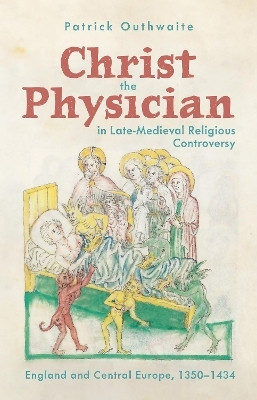
Christ the Physician in Late-Medieval Religious Controversy(English, Hardcover, Outhwaite Patrick Dr)
- Outhwaite Patrick Dr
Paperback & Hardcover deals ―
Amazon IndiaGOFlipkart ₹ 11059SnapdealGOSapnaOnlineGOJain Book AgencyGOBooks Wagon₹2,441Book ChorGOCrosswordGODC BooksGOe-book & Audiobook deals ―
Amazon India GOGoogle Play Books GOAudible GO* Price may vary from time to time.
* GO = We're not able to fetch the price (please check manually visiting the website).
Know about the book -
Christ the Physician in Late-Medieval Religious Controversy(English, Hardcover, Outhwaite Patrick Dr) is written by Outhwaite Patrick Dr and published by York Medieval Press. It's available with International Standard Book Number or ISBN identification 1914049268 (ISBN 10) and 9781914049262 (ISBN 13).
A consideration of the allegory of Christ the Divine Physician in medical and religious writings. Discourses of physical and spiritual health were intricately entwined in the Middle Ages, shaping intellectual concepts as well as actual treatment. The allegory of Christ as Divine Physician is an example of this intersection: it appears frequently in both medical and religious writings as a powerful figure of healing and salvation, and was invoked by dissidents and reformists in religious controversies.Drawing on previously unexplored manuscript material, this book examines the use of the Christus Medicus tradition during a period of religious turbulence. Via an interdisciplinary analysis of literature, sermons, and medical texts, it shows that Wycliffites in England and Hussites in Bohemia used concepts developed in hospital settings to press for increased lay access to Scripture and the sacraments against the strictures of the Church hierarchy. Tracing a story of reform and controversy from localised institutional contexts to two of the most important pan-European councils of the fifteenth century, Constance and Basel, it argues that at a point when the body of the Church was strained by multiple popes, heretics and schismatics, the allegory came into increasing use to restore health and order.
