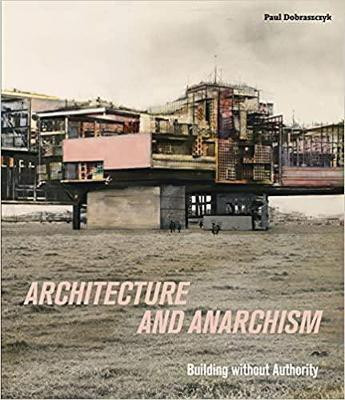
Architecture and Anarchism(English, Paperback, Dobraszczyk Paul)
- Dobraszczyk Paul
Paperback & Hardcover deals ―
Amazon IndiaGOFlipkart ₹ 3148SnapdealGOSapnaOnlineGOJain Book AgencyGOBooks Wagon₹2,288Book ChorGOCrosswordGODC BooksGOe-book & Audiobook deals ―
Amazon India GOGoogle Play Books GOAudible GO* Price may vary from time to time.
* GO = We're not able to fetch the price (please check manually visiting the website).
Know about the book -
Architecture and Anarchism(English, Paperback, Dobraszczyk Paul) is written by Dobraszczyk Paul and published by Paul Holberton Publishing Ltd. It's available with International Standard Book Number or ISBN identification 1913645177 (ISBN 10) and 9781913645175 (ISBN 13).
A groundbreaking look at sixty works of anarchist architecture. This book documents and illustrates sixty projects, past and present, that key into a libertarian ethos and desire for diverse self-organized ways of building. They are what this book calls "anarchist" architecture, that is, forms of design and building that embrace the core values of traditional anarchist political theory since its divergence from the mainstream of socialist politics in the nineteenth century. As Architecture and Anarchism shows, a vast range of architectural projects reflects some or all of these values, whether they are acknowledged as specifically anarchist or not. From junk playgrounds to Freetown Christiania, Slab City to the Calais Jungle, isolated cabins to intentional communities-all are motivated by core values of autonomy, voluntary association, mutual aid, and self-organization. Taken as a whole, they are meant as an inspiration to build less uniformly, more inclusively, and more freely. This book broadens existing ideas about what constitutes anarchism in architecture and argues for its nurturing in the built environment. Understood in this way, anarchism offers a powerful way of reconceptualizing architecture as an emancipatory, inclusive, ecological, and egalitarian practice.
