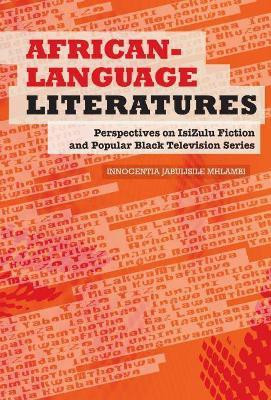
African-Language Literatures(English, Paperback, Mhlambi Innocentia Jabulisile)
- Mhlambi Innocentia Jabulisile
Paperback & Hardcover deals ―
Amazon IndiaGOFlipkart ₹ 2566SnapdealGOSapnaOnlineGOJain Book AgencyGOBooks Wagon₹928Book ChorGOCrosswordGODC BooksGOe-book & Audiobook deals ―
Amazon India GOGoogle Play Books GOAudible GO* Price may vary from time to time.
* GO = We're not able to fetch the price (please check manually visiting the website).
Know about the book -
African-Language Literatures(English, Paperback, Mhlambi Innocentia Jabulisile) is written by Mhlambi Innocentia Jabulisile and published by Wits University Press. It's available with International Standard Book Number or ISBN identification 1868145654 (ISBN 10) and 9781868145652 (ISBN 13).
African-language writing is in crisis. The conditions under which African writing developed in the past (only remotely similar to those of Western models), resulted in an inability of Eurocentric literary models to explore the hermeneutic world of African language poetics inherited from the oral and the modern worlds. Existing modes of criticism in the study of this literary tradition are often unsuited for a nuanced understanding of the intrinsic and extrinsic aspects at play in the composition, production and reading of these literatures. In African-Language Literatures, Innocentia Jabulisile Mhlambi charts new directions in the study of African-language literatures generally and isiZulu fiction in particular by proposing that African popular arts and culture models be considered as a logical solution to current debates and challenges. Mhlambi shows how the popular arts and culture approach brings into relationship the oral and written forms, the local and the international, and elitist and popular genres, and locates and places the resultant emerging, eclectic culture into its socio-historical context. She uses this theoretical approach to explore - in a wide range of cultural products - what matters or what is of interest to the people, irrespective of social hierarchies and predispositions. It is her contention that, in profound ways the African-language literary tradition evinces diversity, complexity and fluidity, and that this should be seen as an invitation to look at systems of meaning which do not hide their connections with the facts of power and material life.
