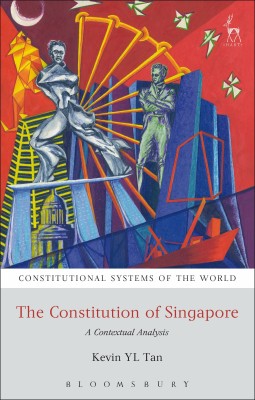
The Constitution of Singapore(English, Paperback, Tan Kevin YL)
- Tan Kevin YL
Paperback & Hardcover deals ―
Amazon IndiaGOFlipkart ₹ 1930SnapdealGOSapnaOnlineGOJain Book AgencyGOBooks Wagon₹413Book ChorGOCrosswordGODC BooksGOe-book & Audiobook deals ―
Amazon India GOGoogle Play Books GOAudible GO* Price may vary from time to time.
* GO = We're not able to fetch the price (please check manually visiting the website).
Know about the book -
The Constitution of Singapore(English, Paperback, Tan Kevin YL) is written by Tan Kevin YL and published by Bloomsbury Publishing PLC. It's available with International Standard Book Number or ISBN identification 1849463964 (ISBN 10) and 9781849463966 (ISBN 13).
Singapore's Constitution was hastily cobbled together after her secession from the Federation of Malaysia in 1965. In the subsequent 50 years, the Constitution has been amended many times to evolve a Constitution like no other in the world. Outwardly, Singapore has a Westminster-type constitutional democracy, with an elected legislature, fundamental liberties and safeguards to ensure the independence of the judiciary. On closer inspection, the Constitution displays many innovative and unusual characteristics. Most notable among them are the various types of Members of Parliament that have been introduced since the mid-1980s, the office of the Elected President and the fact that there is no constitutional right to property. This volume seeks to explain the nature and context of these constitutional innovations in the context of a pluralistic, multi-ethnic state obsessed with public order and security. The volatile racial mix of Singapore, with its majority Chinese population nestled in a largely Malay/Islamic world, compels the state to search for ethnic management solutions through the Constitution to guarantee to the Malays and other ethnic minorities their status in the polity. In addition, it examines how the concept of the rule of law is perceived by the strong centrist state governed by a political party that has been in power since 1959 and continues to hold almost hegemonic power.
