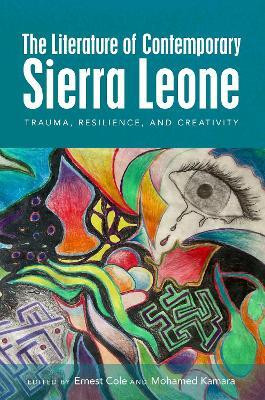
The Literature of Contemporary Sierra Leone(English, Hardcover, unknown)
- unknown
Paperback & Hardcover deals ―
Amazon IndiaGOFlipkart ₹ 9933SnapdealGOSapnaOnlineGOJain Book AgencyGOBooks Wagon₹868Book ChorGOCrosswordGODC BooksGOe-book & Audiobook deals ―
Amazon India GOGoogle Play Books GOAudible GO* Price may vary from time to time.
* GO = We're not able to fetch the price (please check manually visiting the website).
Know about the book -
The Literature of Contemporary Sierra Leone(English, Hardcover, unknown) is written by unknown and published by James Currey. It's available with International Standard Book Number or ISBN identification 1847014178 (ISBN 10) and 9781847014177 (ISBN 13).
What are Sierra Leonean and diaspora authors writing about today? What genres are they working in? What are future possibilities and directions of travel?The ethnically and linguistically diverse nation of Sierra Leone boasts a rich cultural legacy and, in the first decades of the twenty-first century, has built an internationally recognized literary canon despite the ravages caused by a brutal civil war and then the Ebola and Covid pandemics. While acknowledging the country's literary and creative heritage dating back to the mid-twentieth century, this book interrogates a number of prominent themes and critical perspectives on Sierra Leone's contemporary literature.Drawing from body studies, post-colonial theory, spatial theory, trauma theory, ecocriticism, history, and cultural studies, scholars and writers from West Africa and the United States tease out the beginnings, ecology, and dynamism of a bona fide national literature. They do so through a careful examination of such themes as social oppression and class distinction, dystopia, ethnocentricity, homophobia, misogyny and gender disparities, anthropocentrism, self-discovery, social transformation, identity, social degradation, genocide, and trauma, while also theorizing constructs such as home, migration, displacement, community, and return. Throughout, contributors argue for a better appreciation of a vibrant national literature by Sierra Leoneans themselves as well as its place in and contribution to world literature more generally.
