Biopolitics, Militarism, and Development(English, Hardcover, unknown)
- unknown
Paperback & Hardcover deals ―
Amazon IndiaGOFlipkart ₹ 12270SnapdealGOSapnaOnlineGOJain Book AgencyGOBooks Wagon₹3,334Book ChorGOCrosswordGODC BooksGOe-book & Audiobook deals ―
Amazon India GOGoogle Play Books GOAudible GO* Price may vary from time to time.
* GO = We're not able to fetch the price (please check manually visiting the website).
Know about the book -
Biopolitics, Militarism, and Development(English, Hardcover, unknown) is written by unknown and published by Berghahn Books. It's available with International Standard Book Number or ISBN identification 1845455673 (ISBN 10) and 9781845455675 (ISBN 13).
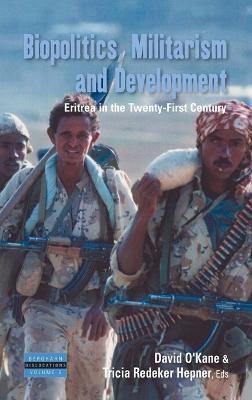
Bringing together original, contemporary ethnographic research on the Northeast African state of Eritrea, this book shows how biopolitics - the state-led deployment of disciplinary technologies on individuals and population groups - is assuming particular forms in the twenty-first century. Once hailed as the "African country that works," Eritrea's apparently successful post-independence development has since lapsed into economic crisis and severe human rights violations. This is due not only to the border war with Ethiopia that began in 1998, but is also the result of discernible tendencies in the "high modernist" style of social mobilization for development first adopted by the Eritrean government during the liberation struggle (1961-1991) and later carried into the post-independence era. The contributions to this volume reveal and interpret the links between development and developmentalist ideologies, intensifying militarism, and the controlling and disciplining of human lives and bodies by state institutions, policies, and discourses. Also assessed are the multiple consequences of these policies for the Eritrean people and the ways in which such policies are resisted or subverted. This insightful, comparative volume places the Eritrean case in a broader global and transnational context.
