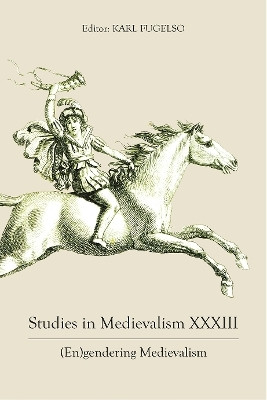
Studies in Medievalism XXXIII(English, Hardcover, unknown)
- unknown
Paperback & Hardcover deals ―
Amazon IndiaGOFlipkart ₹ 9342SnapdealGOSapnaOnlineGOJain Book AgencyGOBooks Wagon₹3,815Book ChorGOCrosswordGODC BooksGOe-book & Audiobook deals ―
Amazon India GOGoogle Play Books GOAudible GO* Price may vary from time to time.
* GO = We're not able to fetch the price (please check manually visiting the website).
Know about the book -
Studies in Medievalism XXXIII(English, Hardcover, unknown) is written by unknown and published by Boydell & Brewer Ltd. It's available with International Standard Book Number or ISBN identification 1843847175 (ISBN 10) and 9781843847175 (ISBN 13).
Essays on the post-modern reception and interpretation of the Middle Ages.Though Studies in Medievalism has hosted many essays on gender, this is the first volume devoted specifically to that theme. The first part features four short essays that directly address manifestations of sexism in postmedieval responses to the Middle Ages: gender substitutions in a Grail Quest episode of the 2023 television series Mrs. Davis, repurposed misogyny in the last two episodes of Game of Thrones (2011-19), traditional gender stereotypes in Capital One's credit card commercials from 2000 to 2013, and "shaggy" medievalism in Robert Eggers' 2022 film The Northman. The second part contains ten longer essays, which collectively continue to demonstrate the ubiquity of gender issues and the extraordinary flexibility of approaches to them. The authors discuss the misogynistic sexualization of Grendel's mother in Parke Godwin's 1995 fantasy novel The Tower of Beowulf, in Graham Baker's 1999 film Beowulf, in three episodes from the television series Xena: Warrior Princess, and in Robert Zemeckis's 2007 film Beowulf; gender substitution in David Lowery's 2021 film The Green Knight and in Kinoku Nasu's and Takashi Takeuchi's anime series Fate (2004-); female authorship of three early-nineteenth-century plays about court ladies' medieval empowerment; extraordinary violence in medievalist video games; nationalism in fake nineteenth-century medievalist documents and in contemporary online fora; racial discrimination in video gaming and in Jim Crow literature; and the condemnation of racism in Maria Dahvana Headley's 2018 novel The Mere Wife.
