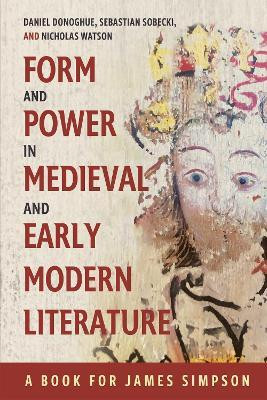
Form and Power in Medieval and Early Modern Literature(English, Hardcover, unknown)
- unknown
Paperback & Hardcover deals ―
Amazon IndiaGOFlipkart ₹ 10996SnapdealGOSapnaOnlineGOJain Book AgencyGOBooks Wagon₹154Book ChorGOCrosswordGODC BooksGOe-book & Audiobook deals ―
Amazon India GOGoogle Play Books GOAudible GO* Price may vary from time to time.
* GO = We're not able to fetch the price (please check manually visiting the website).
Know about the book -
Form and Power in Medieval and Early Modern Literature(English, Hardcover, unknown) is written by unknown and published by Boydell & Brewer Ltd. It's available with International Standard Book Number or ISBN identification 1843847116 (ISBN 10) and 9781843847113 (ISBN 13).
New and exciting scholarship on medieval and early modern English culture in all its diversity. This book honours James Simpson, an enormously influential figure in English literary studies. Known for championing once-neglected writers such as Gower, Hoccleve, and Lydgate, Simpson has also pioneered the field of Trans-Reformation studies, dismantling the barrier between the medieval and early modern periods. He has written powerfully about the history of freedoms, the relationship between literary and intellectual history, and about the category of the literary itself in all its urgency. Inspired by Simpson's interventions, the essays collected here deal with texts and topics from the eighth to the seventeenth centuries. Langland's Piers Plowman and Chaucer's Physician's Tale and Troilus and Criseyde rub shoulders with Old English riddles, Saint Erkenwald, The Digby Lyrics, Lydgate's Dietary, and Lodge's Robert the Devil. Revisionist studies of two much-debated genres - allegory and romance - join forces with chapters on neglected physical features of early books, line-fillers and catchwords, as well as studies of iconoclasm and the histories of enemy love. The volume begins with a piece by the honorand himself, on recognition in literary texts.
