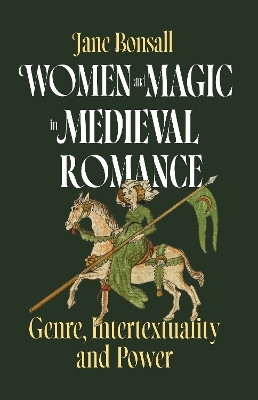
Women and Magic in Medieval Romance(English, Hardcover, Bonsall Jane Elizabeth Dr)
- Bonsall Jane Elizabeth Dr
Paperback & Hardcover deals ―
Amazon IndiaGOFlipkart ₹ 9933SnapdealGOSapnaOnlineGOJain Book AgencyGOBooks Wagon₹319Book ChorGOCrosswordGODC BooksGOe-book & Audiobook deals ―
Amazon India GOGoogle Play Books GOAudible GO* Price may vary from time to time.
* GO = We're not able to fetch the price (please check manually visiting the website).
Know about the book -
Women and Magic in Medieval Romance(English, Hardcover, Bonsall Jane Elizabeth Dr) is written by Bonsall Jane Elizabeth Dr and published by Boydell & Brewer Ltd. It's available with International Standard Book Number or ISBN identification 1843846659 (ISBN 10) and 9781843846659 (ISBN 13).
Explores the conventions and contradictions inherent in archetypes of magical femininity - from loathly ladies to monstrous mothers - in a range of popular late medieval English romances.The female characters in Middle English romances with particular power and agency are often portrayed as supernatural, possessing either magical abilities or identities. This book argues that a genre-focused reading of these supernatural women reveals romance's strategies for working through and articulating anxieties about the changing world of the late medieval period, as well as exposing their contemporary audiences' unexpectedly flexible attitudes toward feminine authority and moral ambiguity. It explores five distinct types of magical femininity: the Tristan tradition's marvelously gifted healers; the Muslim princess in Bevis of Hampton; the endlessly wealthy fairy imagined by Sir Launfal and Partonope of Blois; the monster-mother Melusine; and Morgan le Fay, the prototypical witch. By tracking the way each type first establishes then complicates generic patterns, this study highlights the tension between romance's persistent fascination with feminine power, and its simultaneous reiteration of the social and generic bounds on women's agency and authority. Interrogating generic expectations from an intersectional feminist perspective, it makes a case for a recuperative re-reading of romance, one that asks us to revise our assumptions about the potentialities of women's power in the medieval imaginary.
