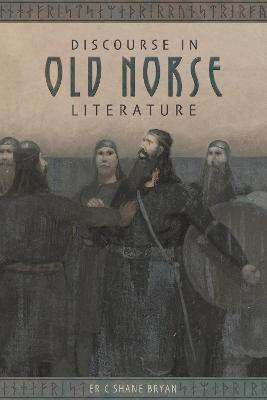
Discourse in Old Norse Literature(English, Hardcover, Bryan Eric Shane)
- Bryan Eric Shane
Paperback & Hardcover deals ―
Amazon IndiaGOFlipkart ₹ 10799SnapdealGOSapnaOnlineGOJain Book AgencyGOBooks Wagon₹364Book ChorGOCrosswordGODC BooksGOe-book & Audiobook deals ―
Amazon India GOGoogle Play Books GOAudible GO* Price may vary from time to time.
* GO = We're not able to fetch the price (please check manually visiting the website).
Know about the book -
Discourse in Old Norse Literature(English, Hardcover, Bryan Eric Shane) is written by Bryan Eric Shane and published by Boydell & Brewer Ltd. It's available with International Standard Book Number or ISBN identification 1843845970 (ISBN 10) and 9781843845973 (ISBN 13).
An examination of what dialogues and direct speech in Old Norse literature can convey and mean, beyond their immediate face-value.The vast and diverse corpus of Old Norse literature preserves the language spoken not only by the Vikings, kings, and heroes of medieval Scandinavia but also by outlaws, missionaries, and farmers. Scholars have long recognized that the wealth of verbal exchanges in Old Norse sagas presents the modern reader with the opportunity to speak face-to-face, as it were, with these great voices of the past. However, despite the importance of verbal exchanges in the sagas, there has been no book-length study of discourse in Old Norse literature since 1935. This book meets the need for such a study by offering a literary analysis based on the adjacent field of pragmatic linguistics, which recognizes that speakers often rely upon cultural, situational, and interpersonal context to communicate their meaning. The resulting, context-dependent meaning often deviates from the base semantic and syntactical components of an utterance: speakers hedge, imply, deflect to save face, or obscure meaning to damage an opponent's self-worth. Saga writers, this book argues, were masters of this type of indirectness in speech. It aims therefore to unlock the depth and subtlety of discourse in Old Norse literature and to leave readers with an understanding of how principles of pragmatics were employed throughout the sagas. A wide body of Old Norse materials is examined, including some of the best examples of Islendingasoegur (sagas of Icelanders), such as Brennu-Njals saga, Laxdoela saga, and Gisla saga Surssonar, while also giving due attention to Konungasoegur (kings' sagas), fornaldarsoegur (legendary sagas), and other literature from the medieval North.
