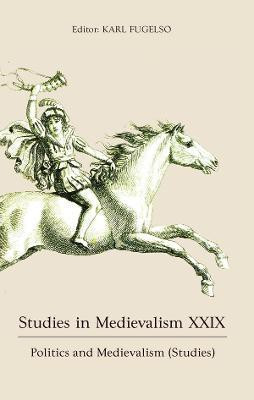
Studies in Medievalism XXIX(English, Hardcover, unknown)
- unknown
Paperback & Hardcover deals ―
Amazon IndiaGOFlipkart ₹ 12307SnapdealGOSapnaOnlineGOJain Book AgencyGOBooks Wagon₹3,815Book ChorGOCrosswordGODC BooksGOe-book & Audiobook deals ―
Amazon India GOGoogle Play Books GOAudible GO* Price may vary from time to time.
* GO = We're not able to fetch the price (please check manually visiting the website).
Know about the book -
Studies in Medievalism XXIX(English, Hardcover, unknown) is written by unknown and published by Boydell & Brewer Ltd. It's available with International Standard Book Number or ISBN identification 1843845563 (ISBN 10) and 9781843845560 (ISBN 13).
Essays on the post-modern reception and interpretation of the Middle Ages,To attract followers many professional politicians, as well as other political actors, ground their biases in (supposedly) medieval beliefs, align themselves with medieval heroes, or condemn their enemies as medieval barbarians. The essays in the first part of this volume directly examine some of the many forms such medievalism can take, including the invocation of "blood libels" in American politics; Vladimir Putin's self-comparisons to "Saint Equal-of-the-Apostles Prince Vladimir"; alt-right references to medieval Christian battles with Moslems; nativist Brexit allusions to the Middle Ages; and, in the 2019 film The Kid Who Would be King, director Joe Cornish's call for Arthurian leadership through Brexit. These essays thus inform, even as they are tested by, the subsequent papers, which touch on politics in the course of discussing the director Guy Ritchie's erasure of Wales in the 2017 film King Arthur: Legend of the Sword; medievalist alt-right attempts to turn one disenfranchised group against another; Jean-Paul Laurens's 1880 condemnation of Napoleon III via a portrait of Honorius; Henry Wadsworth Longfellow's extraordinarily wide range of medievalisms; the archaeology of Julian of Norwich's anchorite cell; the influence of Julian on pity in J.K. Rowling's Harry Potter book series; the origins of introductory maps for medievalist narratives; self-reflexive medievalism in a television episode of Doctor Who; and sonic medievalism in fantasy video games.
