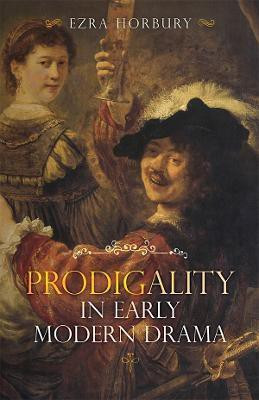
Prodigality in Early Modern Drama(English, Hardcover, Horbury Ezra)
- Horbury Ezra
Paperback & Hardcover deals ―
Amazon IndiaGOFlipkart ₹ 5302SnapdealGOSapnaOnlineGOJain Book AgencyGOBooks Wagon₹8,390Book ChorGOCrosswordGODC BooksGOe-book & Audiobook deals ―
Amazon India GOGoogle Play Books GOAudible GO* Price may vary from time to time.
* GO = We're not able to fetch the price (please check manually visiting the website).
Know about the book -
Prodigality in Early Modern Drama(English, Hardcover, Horbury Ezra) is written by Horbury Ezra and published by Boydell & Brewer Ltd. It's available with International Standard Book Number or ISBN identification 1843845423 (ISBN 10) and 9781843845423 (ISBN 13).
Examination of the motif of the prodigal son as treated in early modern drama, from Shakespeare to Beaumont and Fletcher.Why is it bad to spend too much money? In early modern England, the concept of prodigality governed all forms of financial excess and misuse, from gambling away your family estate to buying too much food. To be prodigal was not only to lack self-discipline but to be immorally excessive. Prodigals were foolish, reckless, and sinful, but their lives were also ones of excitement, lust, luxury, and intrigue. Ambivalently positioned between conservative financial ideals and increasingly popular economic indulgences, prodigals embodied a nation's anxieties about the advent of early capitalism. This book analyses the prodigal youth archetype in early modern drama, examining plays byShakespeare, Middleton, Jonson, Randolph, Chapman, Marston, Beaumont and Fletcher, Davenport, Gascoigne, Heywood, as well as anonymous works and morality plays. The theatres, which were so often criticised for financial excess, became the perfect setting for the rebellious exploits of prodigal youths, and their rises and falls were dramatised with increasing glamorisation between 1500 and 1642. By discussing humanist education practices, Aristotelian ethics, urban change, cuckoldry, usury, and sex work, the author offers the first examination of prodigality and the ways in which England at first condemned, then tolerated, and then eventually came to celebrate excessive spending. EZRA HORBURY is Lecturer in Renaissance/Early Modern Literature at the University of York.
