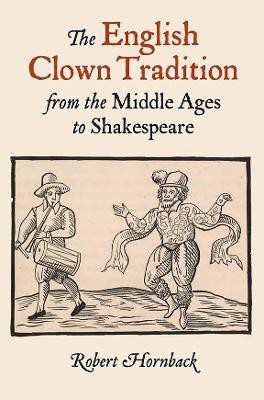
The English Clown Tradition from the Middle Ages to Shakespeare(English, Paperback, Hornback Robert)
- Hornback Robert
Paperback & Hardcover deals ―
Amazon IndiaGOFlipkart ₹ 3803SnapdealGOSapnaOnlineGOJain Book AgencyGOBooks Wagon₹868Book ChorGOCrosswordGODC BooksGOe-book & Audiobook deals ―
Amazon India GOGoogle Play Books GOAudible GO* Price may vary from time to time.
* GO = We're not able to fetch the price (please check manually visiting the website).
Know about the book -
The English Clown Tradition from the Middle Ages to Shakespeare(English, Paperback, Hornback Robert) is written by Hornback Robert and published by Boydell & Brewer Ltd. It's available with International Standard Book Number or ISBN identification 1843843560 (ISBN 10) and 9781843843566 (ISBN 13).
A new account of medieval and Renaissance clown traditions reveals the true extent of their cultural influence.From the late-medieval period through to the seventeenth century, English theatrical clowns carried a weighty cultural significance, only to have it stripped from them, sometimes violently, by the close of the Renaissance when the famed "license" of fooling was effectively revoked. This groundbreaking survey of clown traditions in the period looks both at their history, and reveals their hidden cultural contexts and legacies; it has far-reaching implications not only for our general understanding of English clown types, but also their considerable role in defining social, religious and racial boundaries. It begins with an exploration of previously un-noted early representations of blackness in medieval psalters, cycle plays, and Tudor interludes, arguing that they are emblematic of folly and ignorance rather than of evil. Subsequent chapters show how protestants at Cambridge and at court, during the reigns of Henry VIII and Edward, patronised a clownish, iconoclastic Lord of Misrule; look at the Elizabethan puritan stage clown; and move on to a provocative reconsideration of the Fool in King Lear, drawing completely fresh conclusions. Finally, the epilogue points to the satirical clowning which took place surreptitiously in the Interregnum, and the (sometimes violent) end of "licensed" folly.Professor ROBERT HORNBACK teaches in the Departments of Literature and Theatre at Oglethorpe University.
