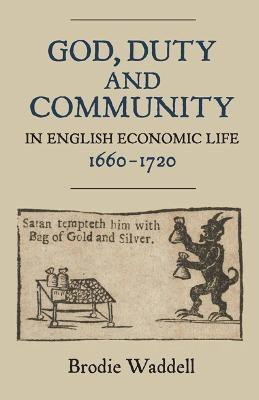
God, Duty and Community in English Economic Life, 1660-1720(English, Hardcover, Waddell Brodie)
- Waddell Brodie
Paperback & Hardcover deals ―
Amazon IndiaGOFlipkart ₹ 11307SnapdealGOSapnaOnlineGOJain Book AgencyGOBooks Wagon₹423Book ChorGOCrosswordGODC BooksGOe-book & Audiobook deals ―
Amazon India GOGoogle Play Books GOAudible GO* Price may vary from time to time.
* GO = We're not able to fetch the price (please check manually visiting the website).
Know about the book -
God, Duty and Community in English Economic Life, 1660-1720(English, Hardcover, Waddell Brodie) is written by Waddell Brodie and published by Boydell & Brewer Ltd. It's available with International Standard Book Number or ISBN identification 184383779X (ISBN 10) and 9781843837794 (ISBN 13).
An analysis of later Stuart economic culture that contributes significantly to our understanding of early modern society.The English economy underwent profound changes in the seventeenth and eighteenth centuries, yet the worldly affairs of ordinary people continued to be shaped as much by traditional ideals and moral codes as by material conditions.This book explores the economic implications of many of the era's key concepts, including Christian stewardship, divine providence, patriarchal power, paternal duty, local community, and collective identity. Brodie Waddell drawson a wide range of contemporary sources - from ballads and pamphlets to pauper petitions and guild regulations - to show that such ideas pervaded every aspect of social and economic relations during this crucial period. Previous discussions of English economic life have tended to ignore or dismiss the influence of cultural factors. By contrast, Waddell argues that popular beliefs about divine will, social duty and communal bonds remained the frame through which most people viewed vital 'earthly' concerns such as food marketing, labour relations, trade policy, poor relief, and many others. This innovative study, demonstrating both the vibrancy and the diversity of the 'moral economies' of the later Stuart period, represents a significant contribution to our understanding of early modern society. It will be essential reading for all early modern British economic and cultural historians. BrodieWaddell is Leverhulme Early Career Fellow at the University of Cambridge. He has published on preaching, local government, the landscape and other aspects of early modern society.
