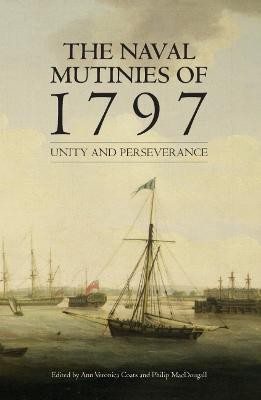
The Naval Mutinies of 1797(English, Hardcover, unknown)
- unknown
Paperback & Hardcover deals ―
Amazon IndiaGOFlipkart ₹ 14993SnapdealGOSapnaOnlineGOJain Book AgencyGOBooks Wagon₹271Book ChorGOCrosswordGODC BooksGOe-book & Audiobook deals ―
Amazon India GOGoogle Play Books GOAudible GO* Price may vary from time to time.
* GO = We're not able to fetch the price (please check manually visiting the website).
Know about the book -
The Naval Mutinies of 1797(English, Hardcover, unknown) is written by unknown and published by Boydell & Brewer Ltd. It's available with International Standard Book Number or ISBN identification 1843836696 (ISBN 10) and 9781843836698 (ISBN 13).
A reassessment of the naval mutinies of 1797, arguing that the mutinies were more industrial dispute than expression of French revolution inspired political radicalism.The naval mutinies of 1797 were unprecedented in scale and impressive in their level of organisation. Under threat of French invasion, crews in the Royal Navy's home fleet, after making clear demands, refused to sail until their demands were met. Subsequent mutinies affected the crews of more than one hundred ships in at least five home anchorages, replicated in the Mediterranean, Atlantic and Indian Ocean. Channel Fleet seamen pursued their grievances of pay and conditions by traditional petitions to their commanding officer, Admiral Richard Howe, but his flawed comprehension and communications were further exacerbated by the Admiralty. The Spithead mutiny became the seamen'slast resort. Ironically Howe acknowledged the justice of their position and was instrumental in resolving the Spithead mutiny, but this did not prevent occurrences at the Nore and elsewhere. The most extensive approach sinceConrad Gill's seminal and eponymous volume of 1913, The Naval Mutinies of 1797 focuses on new research, re-evaluating the causes, events, interpretations, discipline, relationships between officers and men, political inputs and affiliations and crucially, the role of the Irish and quota men. It poses new answers to old questions and suggests a new synthesis - self-determination - the seamen on their own terms. ANN VERONICA COATS is senior lecturer in the the School of Civil Engineering and Surveying at the University of Portsmouth and is Secretary of the Naval Dockyards Society. PHILIP MACDOUGALL is a writer and historian, author of seven books, with a doctorateon naval history from the University of Kent at Canterbury.
