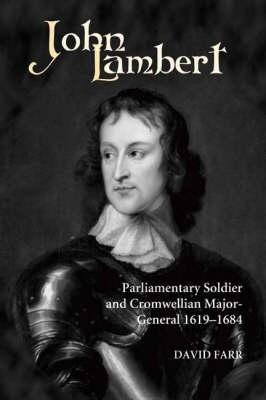
John Lambert, Parliamentary Soldier and Cromwellian Major-General, 1619-1684(English, Hardcover, Farr David)
- Farr David
Paperback & Hardcover deals ―
Amazon IndiaGOFlipkart ₹ 14992SnapdealGOSapnaOnlineGOJain Book AgencyGOBooks WagonGOBook ChorGOCrosswordGODC BooksGOe-book & Audiobook deals ―
Amazon India GOGoogle Play Books GOAudible GO* Price may vary from time to time.
* GO = We're not able to fetch the price (please check manually visiting the website).
Know about the book -
John Lambert, Parliamentary Soldier and Cromwellian Major-General, 1619-1684(English, Hardcover, Farr David) is written by Farr David and published by Boydell & Brewer Ltd. It's available with International Standard Book Number or ISBN identification 1843830043 (ISBN 10) and 9781843830047 (ISBN 13).
A biography of one of the most prominent soldiers in the New Model Army, who made Cromwell Lord Protector but stopped him becoming king.John Lambert's life and career have long deserved this revealing study. The man who made Cromwell Lord Protector in 1653 also stopped him becoming king in 1657; and Lambert was the originator of the Instrument of Government, on which Cromwell's Protectorate was based. Committed to his deeply held, radical beliefs, Lambert first rose to prominence as a dashing cavalry commander in the civil wars of 1642 - 51, and he was a prominent upholder of the power ofthe New Model Army, particularly in his creation of the Major Generals, who ruled England in 1655. Lambert's refusal to countenance Cromwell as king saw his temporary fall from power, but he emerged after the Protector's death asa possible successor. His radical ideas seemed to threaten even 'his own side', and led to his imprisonment in the Tower in 1660, but he escaped and staged a last desperate republican stand against the return of Charles II. Although Lambert was subsequently convicted of treason, Charles did not have him executed - sure recognition that his character, private actions and beliefs were those of a man who was much more than a military revolutionary. DAVID FARR is head of history at Norwich School.
