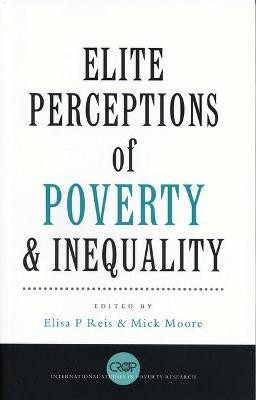
Elite Perceptions of Poverty and Inequality(English, Paperback, unknown)
- unknown
Paperback & Hardcover deals ―
Amazon IndiaGOFlipkart ₹ 2305SnapdealGOSapnaOnlineGOJain Book AgencyGOBooks Wagon₹218Book ChorGOCrosswordGODC BooksGOe-book & Audiobook deals ―
Amazon India GOGoogle Play Books GOAudible GO* Price may vary from time to time.
* GO = We're not able to fetch the price (please check manually visiting the website).
Know about the book -
Elite Perceptions of Poverty and Inequality(English, Paperback, unknown) is written by unknown and published by Bloomsbury Publishing PLC. It's available with International Standard Book Number or ISBN identification 1842776398 (ISBN 10) and 9781842776391 (ISBN 13).
The researchers who have written this volume are clear not only that mass poverty is still the leading humanitarian crisis in developing countries, but that, if effective policies are to be put in place, the national elites who control governments and economies need to be convinced of both the reasons why reducing poverty is in their own and the national interest, and that public action can make a difference. Remarkably, in the rapidly growing literature on poverty, this volume is the first to use survey techniques to explore Third World elites' attitudes to poverty.Five cases - intended to be broadly representative of the diversity of situations in developing countries - were chosen: Brazil, South Africa, the Philippines, Bangladesh and Haiti. While the authors found major differences in how national elites understand and represent poverty, the classic threats that induced elites in late 19th Century Europe to be concerned with reducing poverty - the fear of crime, epidemics, military weakness or political unrest - do not feature prominently in the consciousness of most Third World elites. Nor do most of them believe that there is a viable solution to poverty through public action.The findings in this book throw light on one reason for the relative ineffectiveness of poverty reduction strategies hitherto, and the huge importance of presenting the problem of poverty in ways that fit more closely with the ways in which national elites understand their world.
