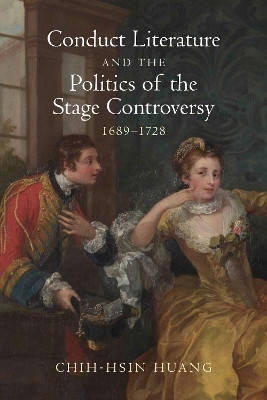
Conduct Literature and the Politics of the Stage Controversy(English, Hardcover, Huang Chih-Hsin)
- Huang Chih-Hsin
Paperback & Hardcover deals ―
Amazon IndiaGOFlipkart ₹ 11304SnapdealGOSapnaOnlineGOJain Book AgencyGOBooks Wagon₹164Book ChorGOCrosswordGODC BooksGOe-book & Audiobook deals ―
Amazon India GOGoogle Play Books GOAudible GO* Price may vary from time to time.
* GO = We're not able to fetch the price (please check manually visiting the website).
Know about the book -
Conduct Literature and the Politics of the Stage Controversy(English, Hardcover, Huang Chih-Hsin) is written by Huang Chih-Hsin and published by Boydell & Brewer Ltd. It's available with International Standard Book Number or ISBN identification 1837651191 (ISBN 10) and 9781837651191 (ISBN 13).
Examines the struggle between factions debating the morality and impact on public behaviour of the theatre following the Glorious Revolution, and the political significance of public feeling around this controversy.In 1698 the Jacobite clergyman Jeremy Collier published his famous pamphlet in which he attacked a number of prominent playwrights on the grounds that their work contained profanity, blasphemy and indecency, and therefore was undermining public morality. He called for the closure of the stage, and in so doing sparked vigorous public debates that lasted for three decades. This book investigates the relationship between this Stage Controversy and the period of political instability evident in Britain in the aftermath of the Glorious Revolution.Instead of adopting the definition of the Stage Controversy as a pamphlet war and as a literary or moral event, Huang argues that in both pamphlets and plays, especially reform comedies, the discussions of conduct were employed to make political points. The book characterizes this controversy as a competition for public opinion and support, in which the stage controversialists sought to convince the audiences of the rightness of their interpretations of behaviour in drama. Contributing to debates about the nature of post-revolutionary political thinking and action, this work will be of great interest and use to scholars and students of the political, social and cultural history of late seventeenth-and early eighteenth-century England.
