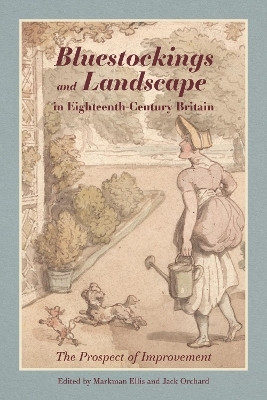
Bluestockings and Landscape in Eighteenth-Century Britain(English, Hardcover, unknown)
- unknown
Paperback & Hardcover deals ―
Amazon IndiaGOFlipkart ₹ 10259SnapdealGOSapnaOnlineGOJain Book AgencyGOBooks Wagon₹2,091Book ChorGOCrosswordGODC BooksGOe-book & Audiobook deals ―
Amazon India GOGoogle Play Books GOAudible GO* Price may vary from time to time.
* GO = We're not able to fetch the price (please check manually visiting the website).
Know about the book -
Bluestockings and Landscape in Eighteenth-Century Britain(English, Hardcover, unknown) is written by unknown and published by Boydell & Brewer Ltd. It's available with International Standard Book Number or ISBN identification 1837650500 (ISBN 10) and 9781837650507 (ISBN 13).
Captures in unprecedented depth the cultural significance of the designed landscape and its relationship with Bluestocking philosophy.Situated within the broader context of eighteenth-century intellectual and cultural history, this collection redefines the role of the Bluestocking circle in shaping Britain's landscapes and social ideals. Against the backdrop of Whiggish notions of "improvement"-encompassing agricultural innovation, aesthetic refinement, and moral progress-it explores how women such as Elizabeth Montagu, Mary Delany, and Elizabeth Carter navigated the intersections of polite sociability, intellectual production, and estate management. Their contributions reveal a dynamic interplay between cultural critique and practical reform, positioning them as active participants in the period's debates on land, labour, and national identity.Drawing on insights from the Elizabeth Montagu's Correspondence Online (EMCO) project, these essays uncover the creative and social tensions embedded in iconic estates such as Montagu's Sandleford and Lord Lyttelton's Hagley Hall. They delve into the poetic and philosophical musings of James Woodhouse, the sociable artistry of Mary Delany, and the symbolic landscapes of Wrest Park. By examining correspondence, poetry, visual arts, and cartography, this volume offers an unprecedented exploration of the ways Bluestocking women engaged with and redefined the designed landscape as a site of intellectual and environmental innovation.This interdisciplinary collection reshapes the historiography of gender, environment, and cultural progress, offering fresh insights into the enduring significance of eighteenth-century landscapes and the intellectual communities that shaped them.
