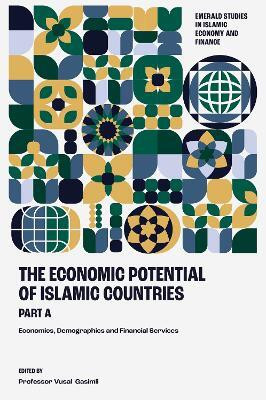
The Economic Potential of Islamic Countries, Part A(English, Hardcover, unknown)
- unknown
Paperback & Hardcover deals ―
Amazon IndiaGOFlipkart ₹ 7888SnapdealGOSapnaOnlineGOJain Book AgencyGOBooks Wagon₹171Book ChorGOCrosswordGODC BooksGOe-book & Audiobook deals ―
Amazon India GOGoogle Play Books GOAudible GO* Price may vary from time to time.
* GO = We're not able to fetch the price (please check manually visiting the website).
Know about the book -
The Economic Potential of Islamic Countries, Part A(English, Hardcover, unknown) is written by unknown and published by Emerald Publishing Limited. It's available with International Standard Book Number or ISBN identification 1837080011 (ISBN 10) and 9781837080014 (ISBN 13).
The global economic environment is evolving at an unprecedented pace, with technological advancements, geopolitical shifts, and climate change reshaping the way economies function. Islamic countries, rich in natural resources and cultural heritage, are uniquely positioned to navigate these changes. However, many of these nations face challenges such as political instability, economic diversification, and infrastructural deficits. The Economic Potential of Islamic Countries, Part A delves into the multifaceted economic landscape of Islamic nations, providing a comprehensive analysis of their strengths, opportunities, and challenges. In an era of rapid globalization and shifting economic paradigms, this book arrives at a crucial juncture, offering fresh insights and strategic recommendations for leveraging the collective potential of these countries. The data-driven analysis also provides case studies from countries such as Malaysia, Turkey, Saudi Arabia and others, offering a comparative analysis of economic policies and outcomes in various Islamic countries, drawing lessons from both successes and failures. Readers will benefit from the interdisciplinary insights, providing a holistic view that addresses the multifaceted challenges and opportunities in Islamic economies. In addition, it provides practical policy recommendations grounded in empirical research, guiding policymakers, business leaders, and academics towards effective strategies for sustainable economic development.
