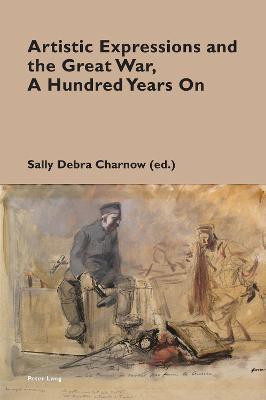
Artistic Expressions and the Great War, A Hundred Years On(English, Paperback, unknown)
- unknown
Paperback & Hardcover deals ―
Amazon IndiaGOFlipkart ₹ 3811SnapdealGOSapnaOnlineGOJain Book AgencyGOBooks Wagon₹195Book ChorGOCrosswordGODC BooksGOe-book & Audiobook deals ―
Amazon India GOGoogle Play Books GOAudible GO* Price may vary from time to time.
* GO = We're not able to fetch the price (please check manually visiting the website).
Know about the book -
Artistic Expressions and the Great War, A Hundred Years On(English, Paperback, unknown) is written by unknown and published by Peter Lang International Academic Publishers. It's available with International Standard Book Number or ISBN identification 1789974046 (ISBN 10) and 9781789974041 (ISBN 13).
The Great War set in motion all of the subsequent violence of the twentieth century. The war took millions of lives, led to the fall of four empires, established new nations, and negatively affected others. During and after the war, individuals and communities struggled to find expression for their wartime encounters and communal as well as individual mourning. Throughout this time of enormous upheaval, many artists redefined their role in society, among them writers, performers, painters, and composers. Some sought to renew or re-establish their place in the postwar climate, while others longed for an irretrievable past, and still others tried to break with the past entirely. This volume offers a significant interdisciplinary contribution to the study of modern war, exploring the ways that artists contributed to wartime culture - both representing and shaping it - as well as the ways in which wartime culture influenced artistic expressions. Artists' places within and against reconstruction efforts illuminate the struggles of the day. The essays included represent a transnational perspective and seek to examine how artists dealt with the experience of conflict and mourning and their role in (re-)establishing creative practices in the changing climate of the interwar years.
