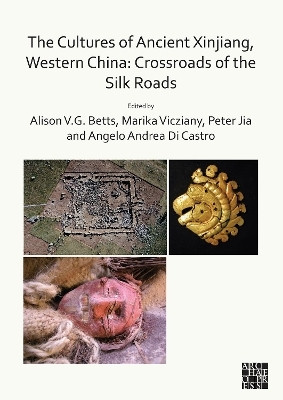
The Cultures of Ancient Xinjiang, Western China: Crossroads of the Silk Roads(English, Paperback, unknown)
- unknown
Paperback & Hardcover deals ―
Amazon IndiaGOFlipkart ₹ 5118SnapdealGOSapnaOnlineGOJain Book AgencyGOBooks WagonGOBook ChorGOCrosswordGODC BooksGOe-book & Audiobook deals ―
Amazon India GOGoogle Play Books GOAudible GO* Price may vary from time to time.
* GO = We're not able to fetch the price (please check manually visiting the website).
Know about the book -
The Cultures of Ancient Xinjiang, Western China: Crossroads of the Silk Roads(English, Paperback, unknown) is written by unknown and published by Archaeopress. It's available with International Standard Book Number or ISBN identification 178969406X (ISBN 10) and 9781789694062 (ISBN 13).
The Cultures of Ancient Xinjiang, Western China: Crossroads of the Silk Roads unveils the ancient secrets of Xinjiang, western China, one of the least known but culturally rich and complex regions located at the heart of Asia. Historically, Xinjiang has been the geographic hub of the Silk Roads, serving international links between cultures to the west, east, north and south. Trade, artefacts, foods, technologies, ideas, beliefs, animals and people have traversed the glacier covered mountain and desert boundaries. Perhaps best known for the Taklamakan desert, whose name translates in the Uyghur language as 'You can go in, you will never come out', here the region is portrayed as the centre of an ancient Bronze Age culture, revealed in the form of the famous Tarim Mummies and their grave goods. Three authoritative chapters by Chinese archaeologists appear here for the first time in English, giving international audiences direct access to the latest research ranging from the central-eastern Xiaohe region to the western valleys of the Bortala and Yili Rivers. Other contributions by European, Australian and Chinese archaeologists address the many complexities of the cultural exchanges that ranged from Mongolia, through to Kashgar, South Asia, Central Asia and finally Europe in pre-modern times.
