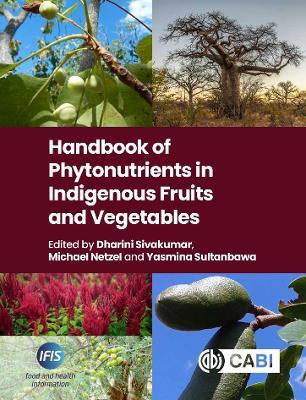
Handbook of Phytonutrients in Indigenous Fruits and Vegetables(English, Hardcover, unknown)
- unknown
Paperback & Hardcover deals ―
Amazon IndiaGOFlipkart ₹ 17945SnapdealGOSapnaOnlineGOJain Book AgencyGOBooks Wagon₹442Book ChorGOCrosswordGODC BooksGOe-book & Audiobook deals ―
Amazon India GOGoogle Play Books ₹200Audible GO* Price may vary from time to time.
* GO = We're not able to fetch the price (please check manually visiting the website).
Know about the book -
Handbook of Phytonutrients in Indigenous Fruits and Vegetables(English, Hardcover, unknown) is written by unknown and published by CABI Publishing. It's available with International Standard Book Number or ISBN identification 1789248043 (ISBN 10) and 9781789248043 (ISBN 13).
The effects of inadequate diets on the population include malnutrition, non-communicable diseases and obesity. 'Hidden hunger', also known as micronutrient deficiencies, leads to various health-related disorders and diseases. Indigenous plants, in the form of indigenous fruits and leafy vegetables are gaining interest as a source of nutrients and bioactive phytochemicals, satisfying both food demand and health needs. Moreover, with the impact of climate change, and the importance of sustainability of food systems, it is essential that we investigate new, forgotten and alternative crops that can thrive in harsh conditions, require low fertilizer input, and are easily harvestable. This book contains chapters on 33 understudied indigenous fruits and vegetables from all around the world, including African nightshade, amaranth, baobab fruit, Indian gooseberry, red bush apple and snake melon. Each chapter provides: An overview of plant botany. An understanding of the phytonutrient constituents and health-promoting properties of bioactive compounds or metabolites. Information on the biological activity of the functional compounds that will improve productivity and increase utilization of indigenous fruits and vegetables to sustain food security. Impacts of postharvest storage, processing, and traditional food preparation methods. Potential for new product development. This is an essential resource for academic researchers and industry professionals in the fields of horticulture, agriculture, crop science, human health and nutrition.
