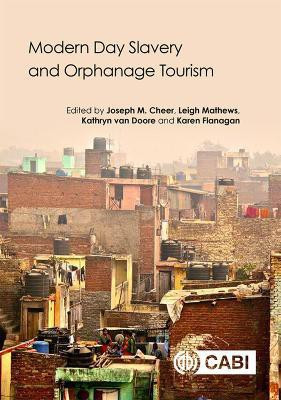
Modern Day Slavery and Orphanage Tourism(English, Hardcover, unknown)
- unknown
Paperback & Hardcover deals ―
Amazon IndiaGOFlipkart ₹ 10671SnapdealGOSapnaOnlineGOJain Book AgencyGOBooks Wagon₹221Book ChorGOCrosswordGODC BooksGOe-book & Audiobook deals ―
Amazon India GOGoogle Play Books ₹40Audible GO* Price may vary from time to time.
* GO = We're not able to fetch the price (please check manually visiting the website).
Know about the book -
Modern Day Slavery and Orphanage Tourism(English, Hardcover, unknown) is written by unknown and published by CABI Publishing. It's available with International Standard Book Number or ISBN identification 1789240794 (ISBN 10) and 9781789240795 (ISBN 13).
Orphanage tourism is where tourist interactions with 'orphaned' children are central to traveller itineraries and experience making in less-developed contexts. While appealing to the desire of tourists and volunteers to 'do good' while travelling, underlining orphanage tourism is the fact that the vast majority of children (over 80%) in orphanages and allied care institutions are not orphans. Instead, children are often placed in institutions due to poverty and hardship, and as victims of human trafficking. In some cases, orphanages can be for-profit enterprises, where the commodification of good intentions begins and becomes embedded in the tourism supply chain. Children are becoming tourist attractions and the focus of tourist consumption, leading to orphanages as sites of tourism production and consumption. The first of its kind, this book highlights exploratory research that examines the links between modern slavery practices and orphanage tourism. Contributors include academics and practitioners with a long engagement in advocacy for the rights and protection of children and research into sustainable and responsible tourism. Written in an accessible manner that appeals to a broad audience. This book will appeal to researchers interested in the areas of tourism, human geography, development studies, childhood studies, law and social justice, as well as those interested in responsible and sustainable travel. Practitioners, policy makers and civil society groups working at the vanguard of tourism expansion and communities in less-developed contexts - particularly where labour rights transgressions, human exploitation and trafficking are prevalent - will also find the book insightful. Royalties from the sales of this book will be donated to Save the Children Australia and the Forget Me Not Foundation.
