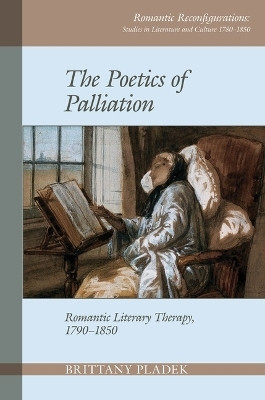
The Poetics of Palliation(English, Hardcover, Pladek Brittany)
- Pladek Brittany
Paperback & Hardcover deals ―
Amazon IndiaGOFlipkart ₹ 19362SnapdealGOSapnaOnlineGOJain Book AgencyGOBooks Wagon₹364Book ChorGOCrosswordGODC BooksGOe-book & Audiobook deals ―
Amazon India GOGoogle Play Books GOAudible GO* Price may vary from time to time.
* GO = We're not able to fetch the price (please check manually visiting the website).
Know about the book -
The Poetics of Palliation(English, Hardcover, Pladek Brittany) is written by Pladek Brittany and published by Liverpool University Press. It's available with International Standard Book Number or ISBN identification 1786942216 (ISBN 10) and 9781786942210 (ISBN 13).
Can literature heal? The Poetics of Palliation argues that our answers to this question have origins in the Romantic period. In the past twenty years, health humanists and scholars of literature and medicine have drawn on Romantic ideas to argue that literature cures by making sufferers whole again. But this model oversimplifies how Romantic writers thought literature addressed suffering. Poetics documents how writers like William Wordsworth and Mary Shelley explored palliative forms of literary medicine: therapies that stressed literature's manifold relationship to pain and its power to sustain, comfort, and challenge even when cure was not possible. The book charts how Romantic writers developed these palliative poetics in conversation with their medical milieu. British medical ethics was first codified during the Romantic period. Its major writers, John Gregory and Thomas Percival, endorsed a palliative mandate to compensate for doctors' limited curative powers. Similarly, Romantic writers sought palliative approaches when their work failed to achieve starker curative goals. The startling diversity of their results illustrates how palliation offers a more comprehensive metric for literary therapy than the curative traditions we have inherited from Romanticism.
