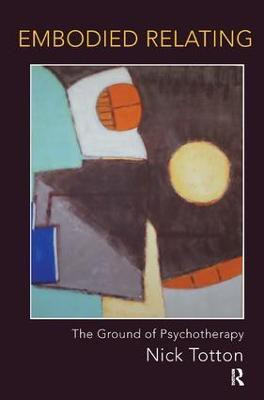
Embodied Relating(English, Paperback, Totton Nick)
- Totton Nick
Paperback & Hardcover deals ―
Amazon IndiaGOFlipkart ₹ 3103SnapdealGOSapnaOnlineGOJain Book AgencyGOBooks Wagon₹2,664Book ChorGOCrosswordGODC BooksGOe-book & Audiobook deals ―
Amazon India GOGoogle Play Books GOAudible GO* Price may vary from time to time.
* GO = We're not able to fetch the price (please check manually visiting the website).
Know about the book -
Embodied Relating(English, Paperback, Totton Nick) is written by Totton Nick and published by Taylor & Francis Ltd. It's available with International Standard Book Number or ISBN identification 1782202935 (ISBN 10) and 9781782202936 (ISBN 13).
Embodied Relating is addressed both to body psychotherapists and to verbal therapists, and argues that embodied relating is the soil from which all therapy grows, and that conscious understanding of this makes our work more powerful and accurate.Embodied relating is embedded in our everyday life: we can all 'do' embodied relating, though some do it better than others. Like many other important aspects of life, it generally happens of its own accord, but sometimes benefits from the sort of close examination which tends to happen in therapy. However, psychotherapy has a history of keeping embodiment out of its field of awareness, and of preferring language-based relating to all other kinds - indeed, until quite recently, of downplaying here-and-now relationship altogether. All these things are now changing; and this book is intended to be part of the change.Embodiment and relationship are inseparable, both in human existence and in psychotherapy. If we explore embodiment, we encounter relationship; if we explore relationship, we encounter embodiment. Therapy is more powerful when the practitioner is able to recognise the constant interplay between these two aspects of being human, and to follow and support the shifts of change from one to the other. The book explores the nature of embodiment, and of embodied relating, drawing on many sources, including Merleau-Ponty, Foucault, Bourdieu, enaction theory, extended cognition, and neuroscience. It places this in the context of psychotherapy, and of the wider social and political field. It then explores other related issues like play, language, trauma, and complexity, and offers a model for those trained in verbal therapy to consult their embodiment when working with clients. It ends with some wider speculations about embodiment, connectedness, human history and ecosystemic thinking.
