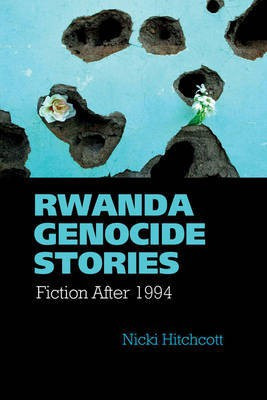
Rwanda Genocide Stories(English, Hardcover, Hitchcott Nicki)
- Hitchcott Nicki
Paperback & Hardcover deals ―
Amazon IndiaGOFlipkart ₹ 12271SnapdealGOSapnaOnlineGOJain Book AgencyGOBooks Wagon₹1,765Book ChorGOCrosswordGODC BooksGOe-book & Audiobook deals ―
Amazon India GOGoogle Play Books GOAudible GO* Price may vary from time to time.
* GO = We're not able to fetch the price (please check manually visiting the website).
Know about the book -
Rwanda Genocide Stories(English, Hardcover, Hitchcott Nicki) is written by Hitchcott Nicki and published by Liverpool University Press. It's available with International Standard Book Number or ISBN identification 1781381941 (ISBN 10) and 9781781381946 (ISBN 13).
During what has become officially known as the genocide against the Tutsi, as many as one million Rwandan people were brutally massacred between April and July 1994. This book presents a critical study of fictional responses by authors inside and outside Rwanda to the 1994 genocide. Focusing on a large and original corpus of creative writing by African authors, including writers from Rwanda, Rwanda Genocide Stories: Fiction After 1994 examines the positionality of authors and their texts in relation to the genocide. How do issues of 'ethnicity', nationality, geographical location and family history affect the ways in which creative writers respond to what happened in 1994? And how do such factors lead to authors and their texts being positioned by others? The book is organized around the principal subject positions created by the genocide, categories that have particular connotations and have become fraught with political tension and ambiguity in the context of post-genocide Rwanda. Through analysis of the figures of tourists, witnesses, survivors, victims and perpetrators, the book identifies the ways in which readers of genocide stories are compelled to reevaluate their knowledge of Rwanda and take an active role in commemorative processes: as self-critical tourists, ethical witnesses, judges or culpable bystanders, we are encouraged to acknowledge and assume our own responsibility for what happened in 1994.
