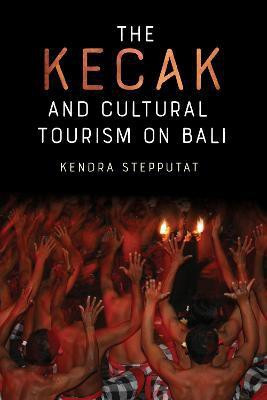
The Kecak and Cultural Tourism on Bali(English, Hardcover, Stepputat Kendra Professor)
- Stepputat Kendra Professor
Paperback & Hardcover deals ―
Amazon IndiaGOFlipkart ₹ 14281SnapdealGOSapnaOnlineGOJain Book AgencyGOBooks Wagon₹10,064Book ChorGOCrosswordGODC BooksGOe-book & Audiobook deals ―
Amazon India GOGoogle Play Books GOAudible GO* Price may vary from time to time.
* GO = We're not able to fetch the price (please check manually visiting the website).
Know about the book -
The Kecak and Cultural Tourism on Bali(English, Hardcover, Stepputat Kendra Professor) is written by Stepputat Kendra Professor and published by Boydell & Brewer Ltd. It's available with International Standard Book Number or ISBN identification 1648250319 (ISBN 10) and 9781648250316 (ISBN 13).
Examines the history of one of the best known dramatic dance performance practices on Bali and its connection with cultural tourism.The kecak is one of the best-known dramatic dance performance practices on Bali. Based on the ancient Indian Ramayana epic, it is performed by an ensemble of male and female solo dancers and accompanied by a hundred men who function as both musicians and living scenery. Since its creation in the 1930s, the kecak has been primarily a tourist performance. Drawing on over twenty years of fieldwork and meticulous archival study, Kendra Stepputat provides here a comprehensive study of the history, form, and cultural significance of the kecak. The first part of the book focuses on the kecak in its present form, including musical, choreographic, and dramatic elements. The connection between cultural tourism on Bali and kecak performance practice is analyzed in detail, including the dependency between tourism professionals and artists and ways of promoting the kecak. Tourists' perspectives on the kecak are addressed separately. The second part deals with the genesis and development of the kecak from the 1930s onward, exploring how it became and stayed a tourist genre for more than eighty years.
