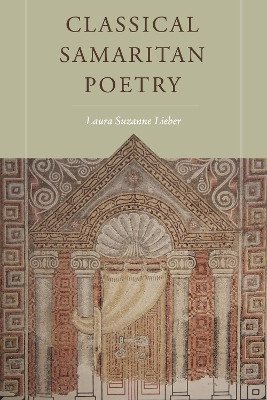
Classical Samaritan Poetry(English, Paperback, Lieber Laura Suzanne)
- Lieber Laura Suzanne
Paperback & Hardcover deals ―
Amazon IndiaGOFlipkart ₹ 2945SnapdealGOSapnaOnlineGOJain Book AgencyGOBooks Wagon₹291Book ChorGOCrosswordGODC BooksGOe-book & Audiobook deals ―
Amazon India GOGoogle Play Books GOAudible GO* Price may vary from time to time.
* GO = We're not able to fetch the price (please check manually visiting the website).
Know about the book -
Classical Samaritan Poetry(English, Paperback, Lieber Laura Suzanne) is written by Lieber Laura Suzanne and published by Pennsylvania State University Press. It's available with International Standard Book Number or ISBN identification 1646022971 (ISBN 10) and 9781646022977 (ISBN 13).
This book introduces the evocative but largely unknown tradition of Samaritan religious poetry from late antiquity to a new audience. These verses provide a unique window into the Samaritan religious world during a formative period. Prepared by Laura Suzanne Lieber, this anthology presents annotated English translations of fifty-five Classical Samaritan poems. Lieber introduces each piece, placing it in context with Samaritan religious tradition, the geopolitical turmoil of Palestine in the fourth century CE, and the literary, liturgical, and performative conventions of the Eastern and Western Roman Empires, shared by Jews, Christians, and polytheists. These hymns, composed by three generations of poets-the priest Amram Dara; his son, Marqah; and Marqah's son, Ninna, the last poet to write in Samaritan Aramaic in the period prior to the Muslim conquest-for recitation during the Samaritan Sabbath and festival liturgies remain a core element of Samaritan religious ritual to the present day. Shedding important new light on the Samaritans' history and on the complicated connections between early Judaism, Christianity, the Samaritan community, and nascent Islam, this volume makes an important contribution to the reception of the history of the Hebrew Bible. It will appeal to a wide audience of students and scholars of the Hebrew Bible, the New Testament, early Judaism and early Christianity, and other religions of late antiquity.
