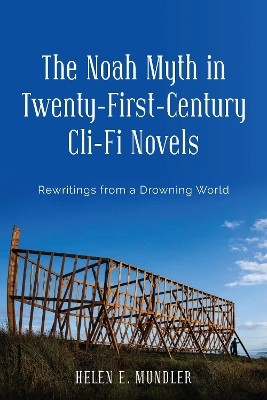
The Noah Myth in Twenty-First-Century Cli-Fi Novels(English, Hardcover, Mundler Helen E.)
- Mundler Helen E.
Paperback & Hardcover deals ―
Amazon IndiaGOFlipkart ₹ 5879SnapdealGOSapnaOnlineGOJain Book AgencyGOBooks Wagon₹511Book ChorGOCrosswordGODC BooksGOe-book & Audiobook deals ―
Amazon India GOGoogle Play Books GOAudible GO* Price may vary from time to time.
* GO = We're not able to fetch the price (please check manually visiting the website).
Know about the book -
The Noah Myth in Twenty-First-Century Cli-Fi Novels(English, Hardcover, Mundler Helen E.) is written by Mundler Helen E. and published by Boydell & Brewer Ltd. It's available with International Standard Book Number or ISBN identification 1640141316 (ISBN 10) and 9781640141315 (ISBN 13).
Breaks new ground by both analyzing the literary qualities of four recent rewritings of the Noah myth and contextualizing their concern with climate change within the wider crises of the Anthropocene.With the rise of concern about global warming in recent years, climate-change fiction, or cli-fi, has become increasingly important both as a publishing phenomenon and as an area of academic study and research. Flood narratives have become a subsection of cli-fi in their own right. This book proposes new readings of four recent rewritings of the Noah myth, Odds Against Tomorrow by Nathaniel Rich, Margaret Atwood's Maddaddam trilogy, When the Floods Came by Clare Morrall, and The Flood by Maggie Gee.Helen E. Mundler's book takes into account the wealth of criticism that has appeared on these texts in recent years, acknowledging important contributions from critics including Adam Trexler, Adeline Johns-Putra, and Astrid Bracke. However, her book's strength is that it takes a new approach, going beyond the topicality of the texts and treating them not just as ideological statements but giving them their due as literary artifacts. While the importance of climate change is beyond debate, this book takes a more balanced approach that places it within a wider context of the multiple crises of the Anthropocene.
