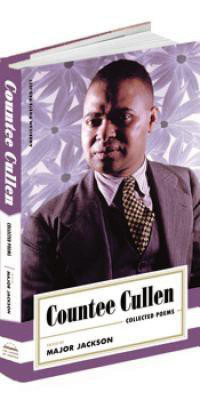
Countee Cullen: Collected Poems(English, Hardcover, Cullen Countee)
- Cullen Countee
Paperback & Hardcover deals ―
Amazon IndiaGOFlipkart ₹ 1350SnapdealGOSapnaOnlineGOJain Book AgencyGOBooks WagonGOBook ChorGOCrosswordGODC BooksGOe-book & Audiobook deals ―
Amazon India GOGoogle Play Books GOAudible GO* Price may vary from time to time.
* GO = We're not able to fetch the price (please check manually visiting the website).
Know about the book -
Countee Cullen: Collected Poems(English, Hardcover, Cullen Countee) is written by Cullen Countee and published by The Library of America. It's available with International Standard Book Number or ISBN identification 1598530836 (ISBN 10) and 9781598530834 (ISBN 13).
The American Poets Project series continues with this stunning collection from a major-and sometimes controversial-figure of the Harlem Renaissance In his early twenties, Countee Cullen emerged as a central figure in the tumultuous, defiant, intensely creative cultural movement now known as the Harlem Renaissance. Here is the most comprehensive collection of Cullen's poetry ever assembled. It begins with his astonishing first book, Color (1925)-a debut that made him "fa-mous, like Byron, overnight" (as H. L. Mencken put it). Cullen's intricate, deceptively simple lyrics shocked some early readers with their frank ex-plorations of racial, sexual, and religious themes. They have since become touchstones of the Afri-can American poetic tradition. The collection follows the evolution of Cul-len's prodigious talents through Copper Sun (1927), The Ballad of the Brown Girl (1927), The Black Christ & Other Poems (1929), and The Medea and Some Poems (1935)-reprinted for the first time with the illustrations from the original editions. Also in-cluded are playful verses from his children's book The Lost Zoo (1940); haunting late poems he in-tended to add to On These I Stand (1947) before his death; and dozens of uncollected poems, some never before published, which reveal an intense engagement with the politics of civil rights. To-gether, they afford an unprecedented occasion to revisit a dazzling and distinctive poetic voice.
