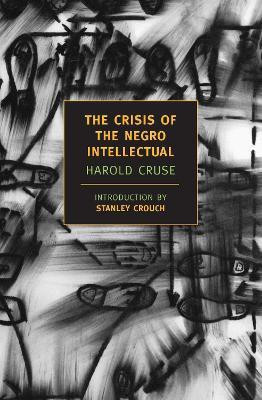
The Crisis Of The Negro Intellectua(English, Paperback, Cruse Harold)
- Cruse Harold
Paperback & Hardcover deals ―
Amazon IndiaGOFlipkart ₹ 2068SnapdealGOSapnaOnlineGOJain Book AgencyGOBooks Wagon₹1,040Book ChorGOCrosswordGODC BooksGOe-book & Audiobook deals ―
Amazon India GOGoogle Play Books GOAudible GO* Price may vary from time to time.
* GO = We're not able to fetch the price (please check manually visiting the website).
Know about the book -
The Crisis Of The Negro Intellectua(English, Paperback, Cruse Harold) is written by Cruse Harold and published by New York Review Books. It's available with International Standard Book Number or ISBN identification 1590171357 (ISBN 10) and 9781590171356 (ISBN 13).
Published in 1967, as the early triumphs of the Civil Rights movement yielded to increasing frustration and violence, The Crisis of the Negro Intellectual electrified a generation of activists and intellectuals. The product of a lifetime of struggle and reflection, Cruse's book is a singular amalgam of cultural history, passionate disputation, and deeply considered analysis of the relationship between American blacks and American society. Reviewing black intellectual life from the Harlem Renaissance through the 1960s, Cruse discusses the legacy (and offers memorably acid-edged portraits) of figures such as Paul Robeson, Lorraine Hansberry, and James Baldwin, arguing that their work was marked by a failure to understand the specifically American character of racism in the United States. This supplies the background to Cruse's controversial critique of both integrationism and black nationalism and to his claim that black Americans will only assume a just place within American life when they develop their own distinctive centers of cultural and economic influence. For Cruse's most important accomplishment may well be his rejection of the clich?s of the melting pot in favor of a vision of Americanness as an arena of necessary and vital contention, an open and ongoing struggle.
