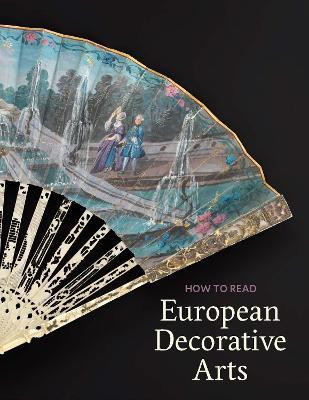
How to Read European Decorative Arts(English, Paperback, Kisluk-Grosheide Danielle O.)
- Kisluk-Grosheide Danielle O.
Paperback & Hardcover deals ―
Amazon IndiaGOFlipkart ₹ 2880SnapdealGOSapnaOnlineGOJain Book AgencyGOBooks Wagon₹181Book ChorGOCrosswordGODC BooksGOe-book & Audiobook deals ―
Amazon India GOGoogle Play Books GOAudible GO* Price may vary from time to time.
* GO = We're not able to fetch the price (please check manually visiting the website).
Know about the book -
How to Read European Decorative Arts(English, Paperback, Kisluk-Grosheide Danielle O.) is written by Kisluk-Grosheide Danielle O. and published by Metropolitan Museum of Art. It's available with International Standard Book Number or ISBN identification 1588397513 (ISBN 10) and 9781588397515 (ISBN 13).
Illuminating three centuries of European artistry and ingenuity, this volume in The Met's acclaimed How to Read series provides a wide-ranging exploration of decorative arts from British writing tables to Russian snuffboxes Spanning three centuries of creativity, from the High Renaissance to the Industrial Revolution, this volume in The Met's How to Read series provides a peek into daily lives across Europe-from England, Spain, and France to Germany, Denmark, and Russia. Featuring 40 exemplary objects, including furniture, tableware, utilitarian items, articles of personal adornment, devotional objects, and display pieces, this publication covers many aspects of European society and lifestyles, from the modest to the fabulously wealthy. The book considers the contributions of renowned masters, such as the Dutch cabinetmaker Jan van Mekeren and the Italian goldsmith Andrea Boucheron, as well as talented amateurs, among them the anonymous young Englishwoman who embroidered an enchanting chest with scenes from the Story of Esther. The works selected include both masterpieces and less familiar examples, some of them previously unpublished, and are discussed not only in light of their art-historical importance but also with regard to the social issues relevant to each, such as the impact of colonial slavery or the changing status of women artists. Published by The Metropolitan Museum of Art/Distributed by Yale University Press
