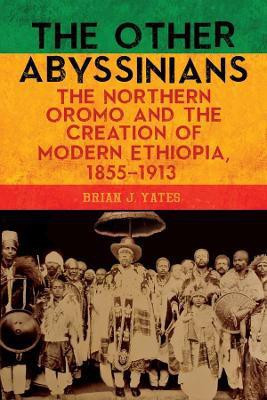
The Other Abyssinians(English, Hardcover, Yates Brian J.)
- Yates Brian J.
Paperback & Hardcover deals ―
Amazon IndiaGOFlipkart ₹ 14384SnapdealGOSapnaOnlineGOJain Book AgencyGOBooks Wagon₹375Book ChorGOCrosswordGODC BooksGOe-book & Audiobook deals ―
Amazon India GOGoogle Play Books GOAudible GO* Price may vary from time to time.
* GO = We're not able to fetch the price (please check manually visiting the website).
Know about the book -
The Other Abyssinians(English, Hardcover, Yates Brian J.) is written by Yates Brian J. and published by Boydell & Brewer Ltd. It's available with International Standard Book Number or ISBN identification 1580469809 (ISBN 10) and 9781580469807 (ISBN 13).
Reframes the story of modern Ethiopia around the contributions of the Oromo people and the culturally fluid union of communities that shaped the nation's politics and society.Although the Oromo are the largest ethnic group in Ethiopia, their history has been distorted in order to buttress twentieth-century notions of a homogeneous Ethiopian state. The Other Abyssinians tells the story of the Oromo people's contribution to modern Ethiopia, tracing their experiences from the early nineteenth century onward and detailing the varied interactions of Oromo groups throughout the Ethiopian highlands. Focusing on the historic provinces of Waello and Shaewa, this well-researched work elucidates the importance of these territories in the creation of Ethiopia and the history of the Oromo. It casts the Oromo as Abyssinians and central in all aspects of modernEthiopian life, while making a case for Ethiopia, a nation without a colonial legacy, as an example of indigenous African identity formation that challenges notions of "tribal" or ethnic identities. Author Brian J. Yates details the cultural practices that integrated the populations of the highlands into the Abyssinian group; in addition, he analyzes the political structures that evolved concurrently. The book, notably, utilizes a community-based framework to underscore the fluidity of modern national identity. All in all, the work offers a close study of Ethiopian modernization policies and illuminates how Africans might have crafted their nations without the legaciesof colonialism.
