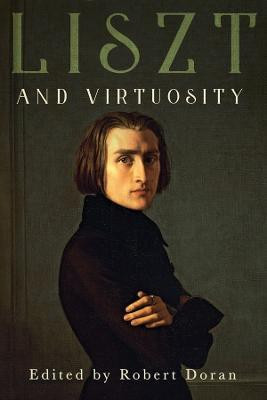
Liszt and Virtuosity(English, Hardcover, unknown)
- unknown
Paperback & Hardcover deals ―
Amazon IndiaGOFlipkart ₹ 12805SnapdealGOSapnaOnlineGOJain Book AgencyGOBooks Wagon₹411Book ChorGOCrosswordGODC BooksGOe-book & Audiobook deals ―
Amazon India GOGoogle Play Books GOAudible GO* Price may vary from time to time.
* GO = We're not able to fetch the price (please check manually visiting the website).
Know about the book -
Liszt and Virtuosity(English, Hardcover, unknown) is written by unknown and published by Boydell & Brewer Ltd. It's available with International Standard Book Number or ISBN identification 1580469396 (ISBN 10) and 9781580469395 (ISBN 13).
CO-WINNER: The Triennial Alan Walker Book Award, sponsored by the American Liszt Society 2023A new and wide-ranging collection of essays by leading international scholars, exploring the concept and practices of virtuosity in Franz Liszt and his contemporaries.In the annals of music history, few figures have dominated the discussion of virtuosity as much as Franz Liszt. A flamboyant performer whose hair-raising technical feats at the piano created a sense of awe-inspiring excitement and an icon whose star power radiated far beyond the realm of music, Liszt was, along with his early model, Paganini, among the first major performer-composers to define himself principally by virtuosity. Featuring new essays by an international group of preeminent scholars, Liszt and Virtuosity offers a reevaluation of the concept and practices of virtuosity as shaped and defined in Liszt's multifaceted oeuvre, as well as a reconsideration of Liszt's relation to other major and lesser-known musical figures, including Czerny, Schubert, Chopin, Brahms, Debussy, and Marie Jaell. Set in the context of larger trends within the fields of music history, music analysis, intellectual history, and performance studies, these capacious explorations demonstrate that Liszt's uniqueness and significance resided in his ability to transform virtuosity into a revolutionary musical force, pushing the piano aesthetic to the limits of sound and poetic meaning.
