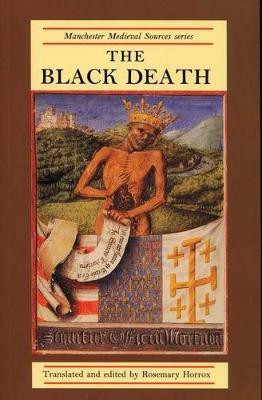
The Black Death(English, Electronic book text, unknown)
- unknown
Paperback & Hardcover deals ―
Amazon IndiaGOFlipkart ₹ 3535SnapdealGOSapnaOnlineGOJain Book AgencyGOBooks Wagon₹2,503Book ChorGOCrosswordGODC BooksGOe-book & Audiobook deals ―
Amazon India GOGoogle Play Books ₹14.72Audible GO* Price may vary from time to time.
* GO = We're not able to fetch the price (please check manually visiting the website).
Know about the book -
The Black Death(English, Electronic book text, unknown) is written by unknown and published by Manchester University Press. It's available with International Standard Book Number or ISBN identification 152611271X (ISBN 10) and 9781526112712 (ISBN 13).
This series provides texts central to medieval studies courses and focuses upon the diverse cultural, social and political conditions that affected the functioning of all levels of medieval society. Translations are accompanied by introductory and explanatory material and each volume includes a comprehensive guide to the sources' interpretation, including discussion of critical linguistic problems and an assessment of recent research on the topics covered. From 1348 to 1350 Europe was devastated by an epidemic that left between a third and one half of the population dead. This source book traces, through contemporary writings, the calamitous impact of the Black Death in Europe, with a particular emphasis on its spread across England from 1348 to 1349. Rosemary Horrox surveys contemporary attempts to explain the plague, which was universally regarded as an expression of divine vengeance for the sins of humankind. Moralists all had their particular targets for criticism. However, this emphasis on divine chastisement did not preclude attempts to explain the plague in medical or scientific terms. Also, there was a widespread belief that human agencies had been involved, and such scapegoats as foreigners, the poor and Jews were all accused of poisoning wells. The final section of the book charts the social and psychological impact of the plague, and its effect on the late-medieval economy.
