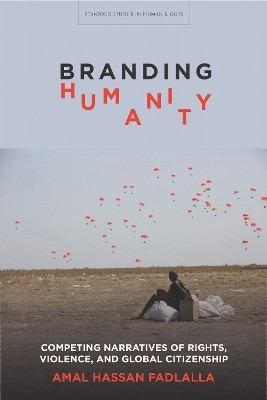
Branding Humanity(English, Electronic book text, Fadlalla Amal Hassan)
- Fadlalla Amal Hassan
Paperback & Hardcover deals ―
Amazon IndiaGOFlipkart ₹ 2569SnapdealGOSapnaOnlineGOJain Book AgencyGOBooks Wagon₹542Book ChorGOCrosswordGODC BooksGOe-book & Audiobook deals ―
Amazon India GOGoogle Play Books ₹17.6Audible GO* Price may vary from time to time.
* GO = We're not able to fetch the price (please check manually visiting the website).
Know about the book -
Branding Humanity(English, Electronic book text, Fadlalla Amal Hassan) is written by Fadlalla Amal Hassan and published by Stanford University Press. It's available with International Standard Book Number or ISBN identification 1503607275 (ISBN 10) and 9781503607279 (ISBN 13).
The Save Darfur movement gained an international following, garnering widespread international attention to this remote Sudanese territory. Celebrities and other notable public figures participated in human rights campaigns to combat violence in the region. But how do local activists and those throughout the Sudanese diaspora in the United States situate their own notions of rights, nationalism, and identity? Based on interviews with Sudanese social actors, activists, and their allies in the United States, the Sudan, and online, Branding Humanity traces the global story of violence and the remaking of Sudanese identities. Amal Hassan Fadlalla examines how activists contest, reshape, and reclaim the stories of violence emerging from the Sudan and their identities as migrants. Fadlalla charts the clash and friction of the master-narratives and counter-narratives circulated and mobilized by competing social and political actors negotiating social exclusion and inclusion through their own identity politics and predicament of exile. In exploring the varied and individual experiences of Sudanese activists and allies, Branding Humanity helps us see beyond the oft-monolithic international branding of conflict. Fadlalla asks readers to consider how national and transnational debates about violence circulate, shape, and re-territorialize ethnic identities, disrupt meanings of national belonging, and rearticulate notions of solidarity and global affiliations.
