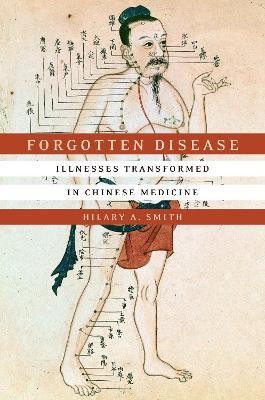
Forgotten Disease(English, Paperback, Smith Hilary A.)
- Smith Hilary A.
Paperback & Hardcover deals ―
Amazon IndiaGOFlipkart ₹ 2312SnapdealGOSapnaOnlineGOJain Book AgencyGOBooks Wagon₹2,286Book ChorGOCrosswordGODC BooksGOe-book & Audiobook deals ―
Amazon India GOGoogle Play Books GOAudible GO* Price may vary from time to time.
* GO = We're not able to fetch the price (please check manually visiting the website).
Know about the book -
Forgotten Disease(English, Paperback, Smith Hilary A.) is written by Smith Hilary A. and published by Stanford University Press. It's available with International Standard Book Number or ISBN identification 150360344X (ISBN 10) and 9781503603448 (ISBN 13).
Around the turn of the twentieth century, disorders that Chinese physicians had been writing about for over a millennium acquired new identities in Western medicine-sudden turmoil became cholera; flowers of heaven became smallpox; and foot qi became beriberi. Historians have tended to present these new identities as revelations, overlooking evidence that challenges Western ideas about these conditions. In Forgotten Disease, Hilary A. Smith argues that, by privileging nineteenth century sources, we misrepresent what traditional Chinese doctors were seeing and doing, therefore unfairly viewing their medicine as inferior. Drawing on a wide array of sources, ranging from early Chinese classics to modern scientific research, Smith traces the history of one representative case, foot qi, from the fourth century to the present day. She examines the shifting meanings of disease over time, showing that each transformation reflects the social, political, intellectual, and economic environment. The breathtaking scope of this story offers insights into the world of early Chinese doctors and how their ideas about health, illness, and the body were developing far before the advent of modern medicine. Smith highlights the fact that modern conceptions of these ancient diseases create the impression that the West saved the Chinese from age-old afflictions, when the reality is that many prominent diseases in China were actually brought over as a result of imperialism. She invites the reader to reimagine a history of Chinese medicine that celebrates its complexity and nuance, rather than uncritically disdaining this dynamic form of healing.
