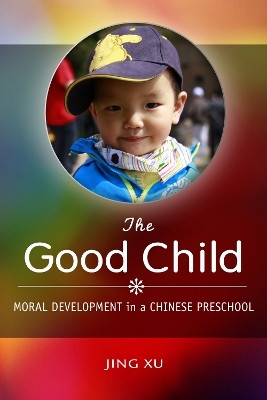
The Good Child(English, Electronic book text, Xu Jing)
- Xu Jing
Paperback & Hardcover deals ―
Amazon IndiaGOFlipkart ₹ 2531SnapdealGOSapnaOnlineGOJain Book AgencyGOBooks Wagon₹592Book ChorGOCrosswordGODC BooksGOe-book & Audiobook deals ―
Amazon India GOGoogle Play Books ₹15.12Audible GO* Price may vary from time to time.
* GO = We're not able to fetch the price (please check manually visiting the website).
Know about the book -
The Good Child(English, Electronic book text, Xu Jing) is written by Xu Jing and published by Stanford University Press. It's available with International Standard Book Number or ISBN identification 1503602478 (ISBN 10) and 9781503602472 (ISBN 13).
Chinese academic traditions take zuo ren-self-fulfillment in terms of moral cultivation-as the ultimate goal of education. To many in contemporary China, however, the nation seems gripped by moral decay, the result of rapid and profound social change over the course of the twentieth century. Placing Chinese children, alternately seen as China's greatest hope and derided as self-centered "little emperors," at the center of her analysis, Jing Xu investigates the effects of these transformations on the moral development of the nation's youngest generation. The Good Child examines preschool-aged children in Shanghai, tracing how Chinese socialization beliefs and methods influence their construction of a moral world. Delving into the growing pains of an increasingly competitive and changing educational environment, Xu documents the confusion, struggles, and anxieties of today's parents, educators, and grandparents, as well as the striking creativity of their children in shaping their own moral practices. Her innovative blend of anthropology and psychology reveals the interplay of their dialogues and debates, illuminating how young children's nascent moral dispositions are selected, expressed or repressed, and modulated in daily experiences.
