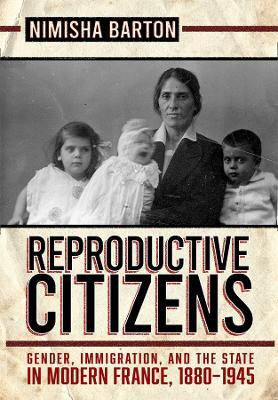
Reproductive Citizens(English, Paperback, Barton Nimisha)
- Barton Nimisha
Paperback & Hardcover deals ―
Amazon IndiaGOFlipkart ₹ 3416SnapdealGOSapnaOnlineGOJain Book AgencyGOBooks Wagon₹907Book ChorGOCrosswordGODC BooksGOe-book & Audiobook deals ―
Amazon India GOGoogle Play Books GOAudible GO* Price may vary from time to time.
* GO = We're not able to fetch the price (please check manually visiting the website).
Know about the book -
Reproductive Citizens(English, Paperback, Barton Nimisha) is written by Barton Nimisha and published by Cornell University Press. It's available with International Standard Book Number or ISBN identification 1501770209 (ISBN 10) and 9781501770203 (ISBN 13).
In the familiar tale of mass migration to France from 1880 onward, we know very little about the hundreds of thousands of women who formed a critical part of those migration waves. In Reproductive Citizens, Nimisha Barton argues that their relative absence in the historical record hints at a larger and more problematic oversight-the role of sex and gender in shaping the experiences of migrants to France before the Second World War. Barton's compelling history of social citizenship demonstrates how, through the routine application of social policies, state and social actors worked separately toward a shared goal: repopulating France with immigrant families. Filled with voices gleaned from census reports, municipal statistics, naturalization dossiers, court cases, police files, and social worker registers, Reproductive Citizens shows how France welcomed foreign-born men and women-mobilizing naturalization, family law, social policy, and welfare assistance to ensure they would procreate, bearing French-assimilated children. Immigrants often embraced these policies because they, too, stood to gain from pensions, family allowances, unemployment benefits, and French nationality. By striking this bargain, they were also guaranteed safety and stability on a tumultuous continent. Barton concludes that, in return for generous social provisions and refuge in dark times, immigrants joined the French nation through marriage and reproduction, breadwinning and child-rearing-in short, through families and family-making-which made them more French than even formal citizenship status could.
