Voices from the Soviet Edge(English, Hardcover, Sahadeo Jeff)
- Sahadeo Jeff
Paperback & Hardcover deals ―
Amazon IndiaGOFlipkart ₹ 2956SnapdealGOSapnaOnlineGOJain Book AgencyGOBooks Wagon₹433Book ChorGOCrosswordGODC BooksGOe-book & Audiobook deals ―
Amazon India GOGoogle Play Books GOAudible GO* Price may vary from time to time.
* GO = We're not able to fetch the price (please check manually visiting the website).
Know about the book -
Voices from the Soviet Edge(English, Hardcover, Sahadeo Jeff) is written by Sahadeo Jeff and published by Cornell University Press. It's available with International Standard Book Number or ISBN identification 1501738208 (ISBN 10) and 9781501738203 (ISBN 13).
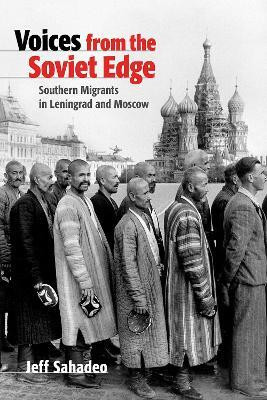
Jeff Sahadeo reveals the complex and fascinating stories of migrant populations in Leningrad and Moscow. Voices from the Soviet Edge focuses on the hundreds of thousands of Uzbeks, Tajiks, Georgians, Azerbaijanis, and others who arrived toward the end of the Soviet era, seeking opportunity at the privileged heart of the USSR. Through the extensive oral histories Sahadeo has collected, he shows how the energy of these migrants, denigrated as "Blacks" by some Russians, transformed their families' lives and created inter-republican networks, altering society and community in both the center and the periphery of life in the "two capitals." Voices from the Soviet Edge connects Leningrad and Moscow to transnational trends of core-periphery movement and marks them as global cities. In examining Soviet concepts such as "friendship of peoples" alongside ethnic and national differences, Sahadeo shows how those ideas became racialized but could also be deployed to advance migrant aspirations. He exposes the Brezhnev era as a time of dynamism and opportunity, and Leningrad and Moscow not as isolated outposts of privilege but at the heart of any number of systems that linked the disparate regions of the USSR into a whole. In the 1980s, as the Soviet Union crumbled, migration increased. These later migrants were the forbears of contemporary Muslims from former Soviet spaces who now confront significant discrimination in European Russia. As Sahadeo demonstrates, the two cities benefited from 1980s' migration but also became communities where racism and exclusion coexisted with citizenship and Soviet identity.
