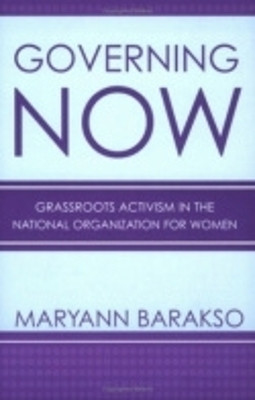
Governing NOW(English, Electronic book text, Barakso Maryann)
- Barakso Maryann
Paperback & Hardcover deals ―
Amazon IndiaGOFlipkart ₹ 3285SnapdealGOSapnaOnlineGOJain Book AgencyGOBooks Wagon₹4,435Book ChorGOCrosswordGODC BooksGOe-book & Audiobook deals ―
Amazon India GOGoogle Play Books GOAudible GO* Price may vary from time to time.
* GO = We're not able to fetch the price (please check manually visiting the website).
Know about the book -
Governing NOW(English, Electronic book text, Barakso Maryann) is written by Barakso Maryann and published by Cornell University Press. It's available with International Standard Book Number or ISBN identification 1501726749 (ISBN 10) and 9781501726743 (ISBN 13).
Boasting more than five hundred thousand contributing members and five hundred chapters nationwide, the National Organization for Women has been politically active for more than thirty-five years. In a book that offers tools for predicting the long-term viability of a range of organizations, Maryann Barakso traces the political development of NOW. According to Barakso, NOW's activities and the stances it has taken throughout its history have been shaped primarily by the organization's internal political system. Established during the group's founding period, NOW's governance structure consists of a set of principles and institutional rules that continue to guide the group's internal political dynamics and its decision-making. Focusing on interactions between NOW leaders and rank-and-file members, Barakso reveals how the organization's internal structure affects its development and its participation in the wider political arena. The author also reveals why strategic change has always been such a contentious issue for the organization, the ways in which NOW enhances civic and political engagement, and the limits on NOW's future mobilizing capacity. Governing NOW contributes to a deeper understanding of membership-based voluntary associations: why they choose some goals and tactics over others, why they invest resources as they do, and why they join or abstain from coalition politics.
