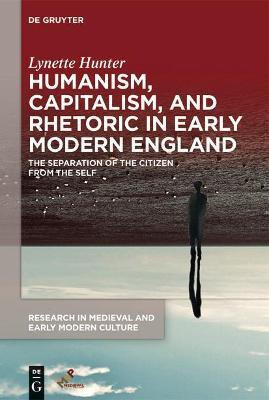
Humanism, Capitalism, and Rhetoric in Early Modern England(English, Electronic book text, Hunter Lynette)
- Hunter Lynette
Paperback & Hardcover deals ―
Amazon IndiaGOFlipkart ₹ 2536SnapdealGOSapnaOnlineGOJain Book AgencyGOBooks Wagon₹833Book ChorGOCrosswordGODC BooksGOe-book & Audiobook deals ―
Amazon India GOGoogle Play Books ₹89.99Audible GO* Price may vary from time to time.
* GO = We're not able to fetch the price (please check manually visiting the website).
Know about the book -
Humanism, Capitalism, and Rhetoric in Early Modern England(English, Electronic book text, Hunter Lynette) is written by Hunter Lynette and published by De Gruyter. It's available with International Standard Book Number or ISBN identification 1501514245 (ISBN 10) and 9781501514241 (ISBN 13).
This book offers an interdisciplinary approach to concepts of the self associated with the development of humanism in England, and to strategies for both inclusion and exclusion in structuring the early modern nation state. It addresses writings about rhetoric and behavior from 1495-1660, beginning with Erasmus' work on sermo or the conversational rhetoric between friends, which considers the reader as an 'absent audience', and following the transference of this stance to a politics whose broadening democratic constituency needed a legitimate structure for governance-at-a-distance. Unusually, the book brings together the impact on behavior of these new concepts about rhetoric, with the growth of the publishing industry, and the emergence of capitalism and of modern medicine. It explores the effects on the formation of the 'subject' and political legitimation of the early liberal nation state. It also lays new ground for scholarship concerned with what is left out of both selfhood and politics by that state, studying examples of a parallel development of the 'self' defined by friendship not only from educated male writers, but also from women writers and writers concerned with socially 'middling' and laboring people and the poor.
