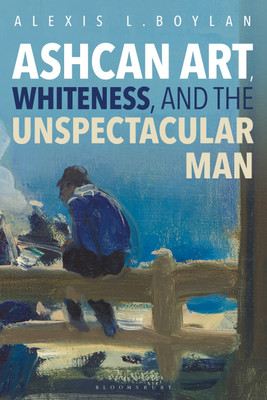
Ashcan Art, Whiteness, and the Unspectacular Man(English, Hardcover, Boylan Alexis L. Dr.)
- Boylan Alexis L. Dr.
Paperback & Hardcover deals ―
Amazon IndiaGOFlipkart ₹ 22895SnapdealGOSapnaOnlineGOJain Book AgencyGOBooks Wagon₹2,924Book ChorGOCrosswordGODC BooksGOe-book & Audiobook deals ―
Amazon India GOGoogle Play Books GOAudible GO* Price may vary from time to time.
* GO = We're not able to fetch the price (please check manually visiting the website).
Know about the book -
Ashcan Art, Whiteness, and the Unspectacular Man(English, Hardcover, Boylan Alexis L. Dr.) is written by Boylan Alexis L. Dr. and published by Bloomsbury Publishing Plc. It's available with International Standard Book Number or ISBN identification 1501325752 (ISBN 10) and 9781501325755 (ISBN 13).
Arriving in New York City in the first decade of the twentieth century, six painters-Robert Henri, John Sloan, Everett Shinn, Glackens, George Luks, and George Bellows, subsequently known as the Ashcan Circle-faced a visual culture that depicted the urban man as a diseased body under assault. Ashcan artists countered this narrative, manipulating the bodies of construction workers, tramps, entertainers, and office workers to stand in visual opposition to popular, political, and commercial cultures. They did so by repeatedly positioning white male bodies as having no cleverness, no moral authority, no style, and no particular charisma, crafting with consistency an unspectacular man. This was an attempt, both radical and deeply insidious, to make the white male body stand outside visual systems of knowledge, to resist the disciplining powers of commercial capitalism, and to simply be with no justification or rationale. Ashcan Art, Whiteness, and the Unspectacular Man maps how Ashcan artists reconfigured urban masculinity for national audiences and reimagined the possibility and privilege of the unremarkable white, male body thus shaping dialogues about modernity, gender, and race that shifted visual culture in the United States.
